
By Dr. Armando Díaz Pérez
Professor of Entrepreneurship
Validation Phase
In Puerto Rico, we insist that entrepreneurship is important. We repeat it in speeches, conferences, and institutional campaigns. But when we look at the reality of the country’s universities, most curriculums still prepare employees, not business creators.
My doctoral research at the Inter-American University of Puerto Rico confirmed that gap. Students show a very high predisposition toward entrepreneurship, a genuine interest in creating their own businesses and becoming active economic agents. However, when we evaluate the courses they receive, a striking finding emerges: there is no correlation between curricular content on entrepreneurship and the real intention to start a business.
This means something critical: we can fill a classroom with theories, models, and definitions, and still not move the needle on entrepreneurship in Puerto Rico.
The problem is not intention. The problem is that most of our universities have not created learning experiences that turn intention into execution.
The example that is already working: Sagrado changed the rules of the game.
Today, from my role as professor of the Validation Phase of Entrepreneurship Proposals at Universidad del Sagrado Corazón, I see daily what Puerto Rican academia could achieve if it adopted a truly transformative model.
At Sagrado, entrepreneurship is not an elective, not a “nice course,” nor an academic ornament. It is a pillar. A mandatory component of 18 credits, integrated into the General Education component, accessible to all schools and majors. And most importantly: students do not graduate with just an idea. They graduate with a business.
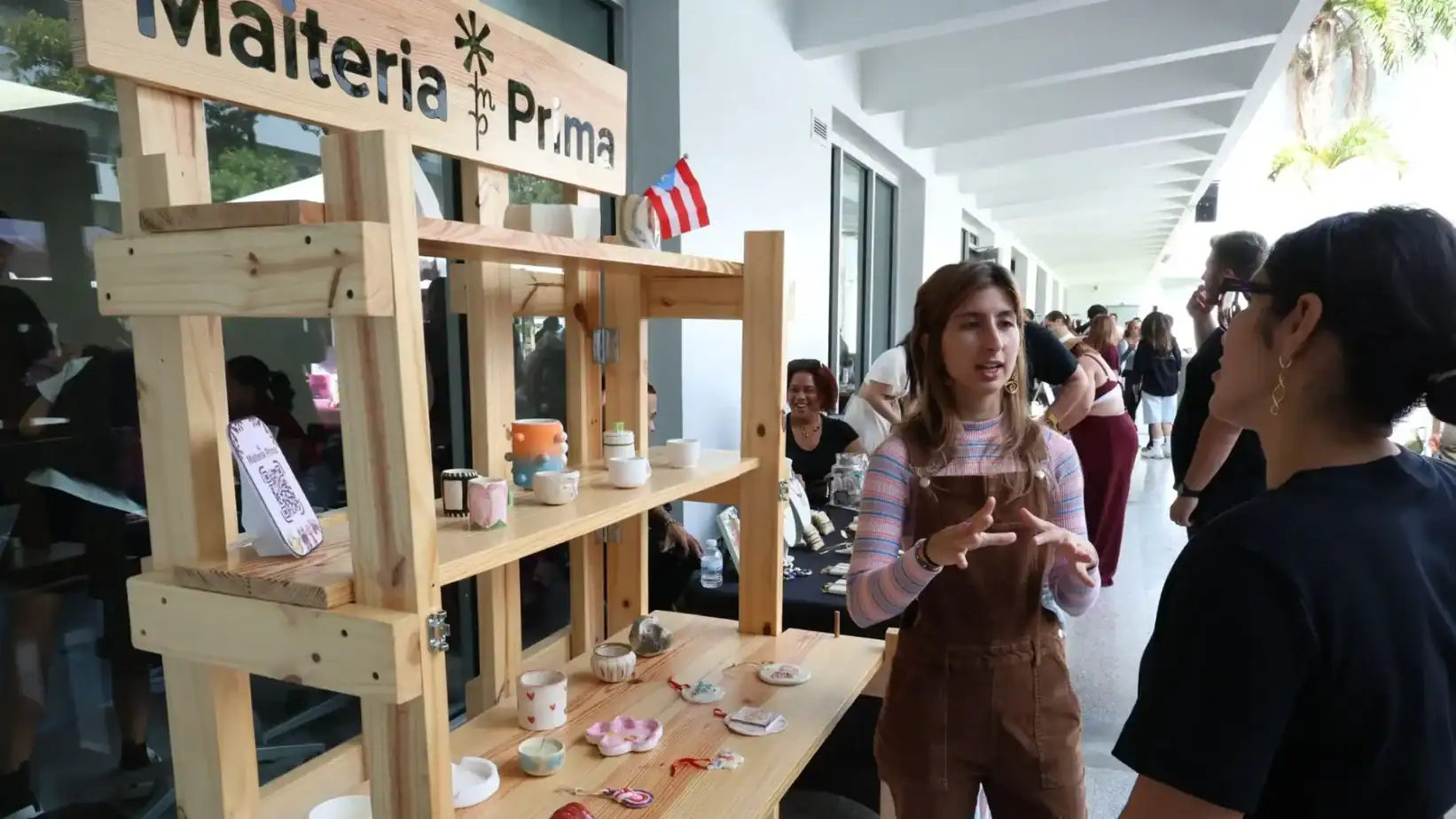
We already have young people who have opened stores, launched product lines, created their own brands, and begun operating as real entrepreneurs before graduating. They are merchants. They are business owners. They are living examples of what a well-designed curriculum can produce.
This happens because Sagrado does not teach entrepreneurship as an abstract concept. It teaches it as a process, execution, mentorship, and real validation. Students:experience the process from idea to prototype;
- go through La Cepita to test their concepts;
- receive personalized mentorship in the hubs;
- compete, present, make mistakes, and try again;
- sell products at the Showcase within their own university;
- and use Neeuko, a laboratory that allows them to build prototypes, model points of sale, and create tangible solutions.
This is the kind of environment that turns entrepreneurship into a real possibility, not a distant ideal. If we want an entrepreneurial country, education has to change. The findings of my research are an urgent call: our academia must stop aspiring to promote entrepreneurship… and start practicing it. Puerto Rican students do want to become entrepreneurs. They have the passion, the intention, and the desire.
What they need is what Sagrado is already doing: a model that supports them, that offers structure, that provides resources, that validates ideas, that opens doors, and that proves that entrepreneurship is achievable, viable, and economically sustainable. The country needs new businesses. New job creators. New leaders capable of designing local solutions with global impact. The university of the future does not only prepare professionals: it prepares entrepreneurs.
If Puerto Rico wants to transform its economy, it must begin by transforming its universities. And that starts by recognizing that entrepreneurship can no longer remain theory: it must be experience, practice, and opportunity.
Sagrado has already proven it. Now it’s up to the rest of the country.
About the Author
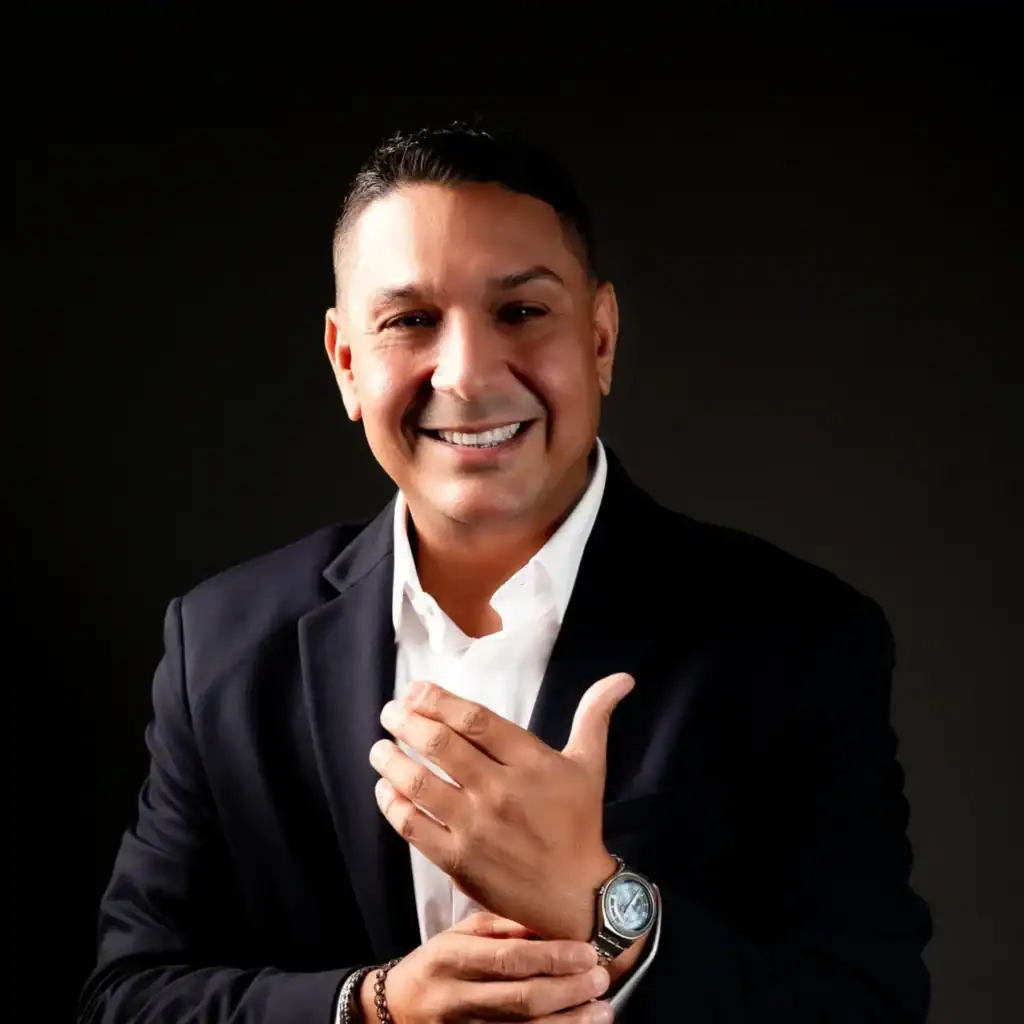
Dr. Armando Díaz Pérez is a Specialist in the Validation Phase of Entrepreneurial Proposals at Universidad del Sagrado Corazón. He holds a Ph.D. in Higher Education Administration from the Inter-American University of Puerto Rico. With more than 14 years of experience working in the fields of entrepreneurship and higher education, Díaz Pérez also serves as president of the tourism company Dream Vacation Puerto Rico and the Group for Educational Innovation and Entrepreneurship (GIEE, PR).