

By Brenda Figueroa Gómez
Journalism Student
In observance of International Women’s Day, Universidad del Sagrado Corazón held the panel discussion “Women in Sports,” a space dedicated to the trajectories of female leaders in Puerto Rican sports.
The event featured five women who hold leadership positions in the island’s sports field: Déborah Maldonado, Ironman athlete, community leader, and founder of Kilómetros de Cambio; Claudia Ramos Zorrilla, publicist, entrepreneur, and owner of the Gigantes de Carolina women’s team; Prof. Francis Terán, manager and high-performance coach; Dr. Marlene Colón, academic leader at Sagrado and expert in wellness and performance; and Prof. Clarisa Rosado, athletic director at the University of Puerto Rico, Humacao Campus.
During the event, the panelists highlighted several structural gaps that women still face in sports, such as lack of visibility and funding, limited access to safe sports spaces for communities affected by violence, and underrepresentation in decision-making roles.
The panelists emphasized that progress toward gender equity depends not only on participation, but also on ensuring that women’s opinions and proposals are heard and put into action.
Ramos Zorrilla shared her experience leading in a predominantly male environment, where one of the most common challenges is confronting stereotypes about women’s capabilities in areas such as professional basketball. The entrepreneur added that her strategy has been to lead through preparation and initiative. “In spaces where people don’t want to listen to you, you have to study, present proposals, and engage with communities to share a passion for sports,” she stated.
Professor Francis Terán explained that women’s success in sports also involves recognizing the multiple roles they play in society. “Achieving overall well-being is not just about measuring athletic or economic results; organizations must consider the physical, psychological, and social needs of athletes,” she said, also noting that the main challenge for sports institutions is to design organizational structures that take these realities into account and promote more inclusive environments.
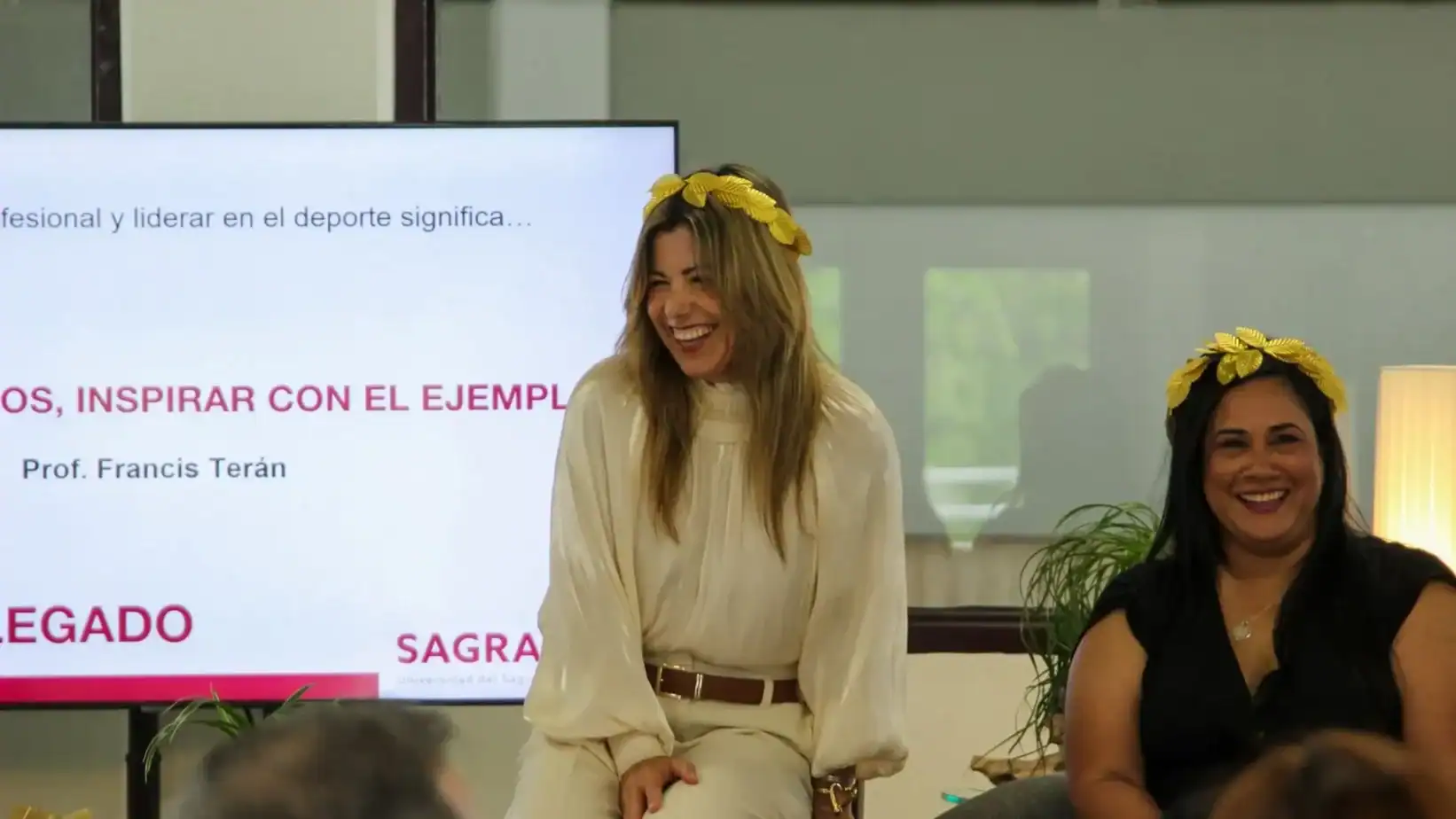



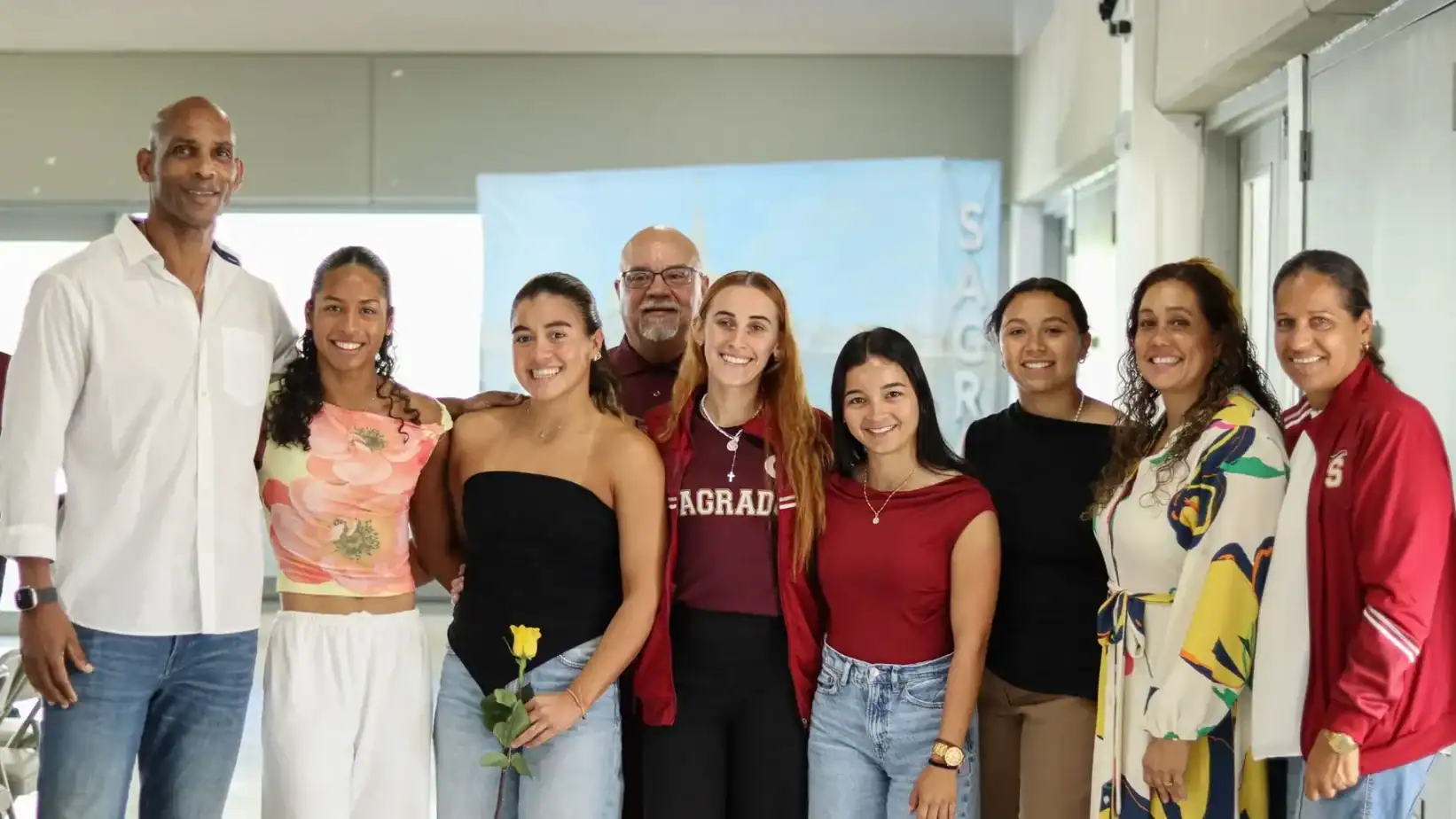
The discussion also addressed the concept of balancing personal and professional life, particularly in a society that often assigns caregiving roles to women. The participants stressed the importance of acknowledging these multiple roles in order to create structures that allow women to fully develop.
“Beyond balance, we must accept our reality and design spaces that take all those responsibilities into account,” Terán clarified.
The panelists agreed that transforming the sports landscape requires cultural change, visible female leadership, and safe spaces that enable more women to take on leadership positions.
At the end of the event, alumna Sonia Álvarez Fonseca joined the panel; she was recently inducted into the Hall of Fame of the Interuniversity Athletic League (LAI, per its Spanish acronym). The participants concluded by underscoring the need to amplify women’s voices in sports and to take action within sports organizations to continue opening pathways for future generations of athletes.