
The initiative combined nutrition education and recipes using donated foods to encourage sustainable habits within the university community.
By Brenda Figueroa Gómez
Journalism Student
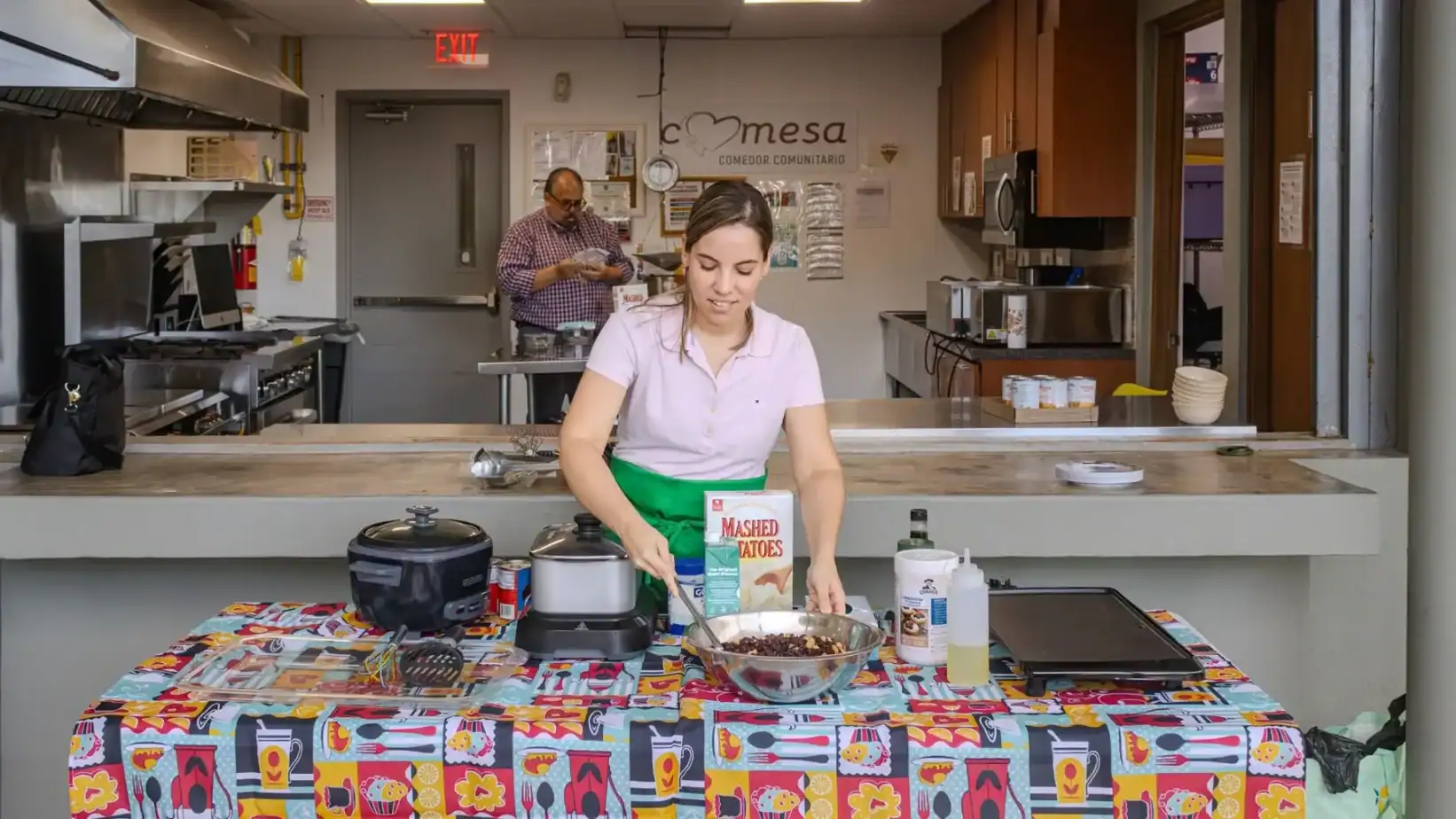
As part of its commitment to food security, CoMesa hosted a nutrition workshop aimed at strengthening students’ eating habits.
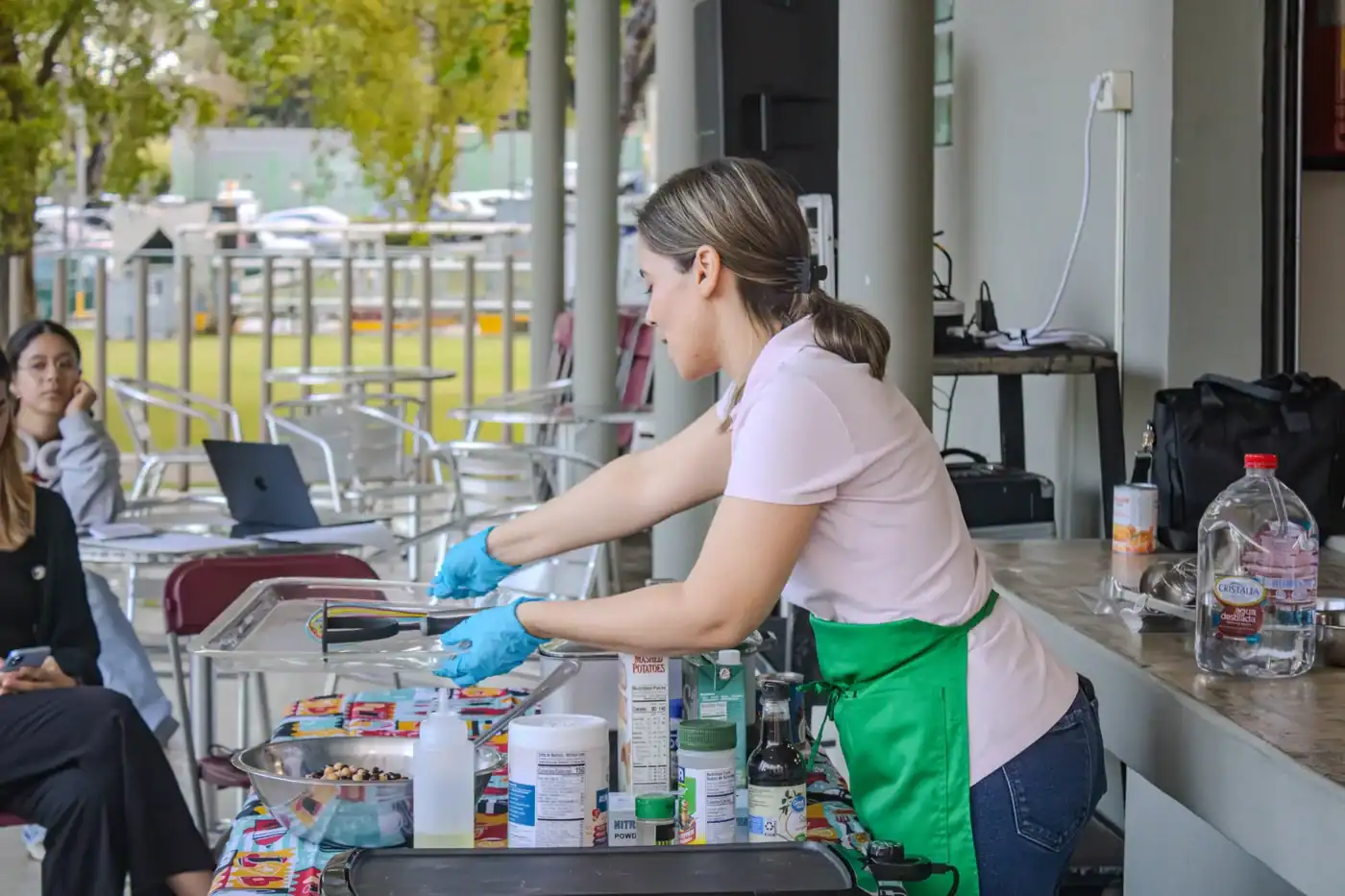
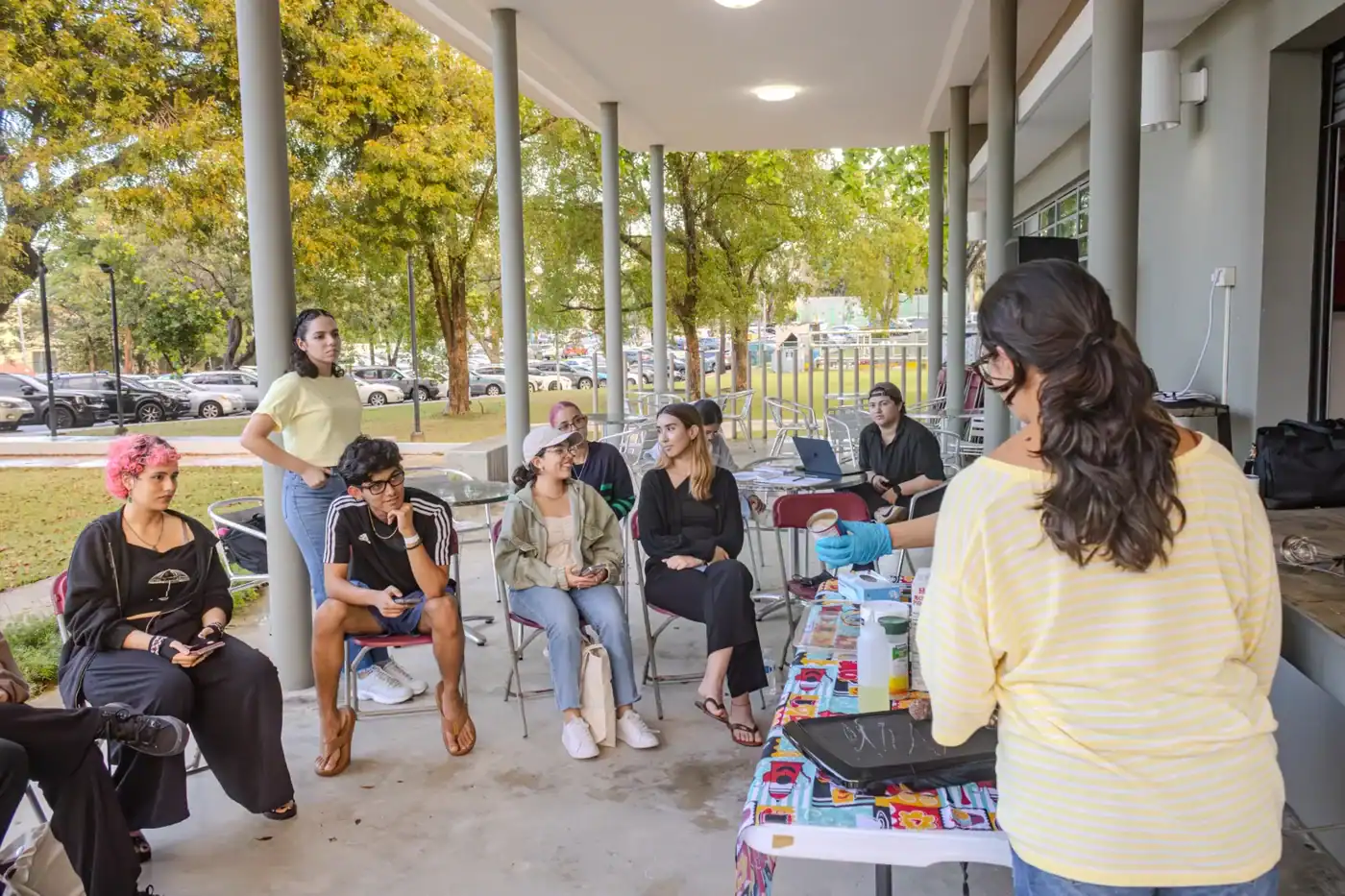
Mara García, the nutritionist leading the program, explained that the activity is part of a series of educational sessions designed to teach through hands-on experience. The workshop included a live cooking demonstration using foods available at CoMesa, including donated items and produce from the garden. According to García, this approach addresses the challenge of teaching how to prepare complete meals with limited resources.
During the session, García noted that one of the main challenges among college students is misinformation about what constitutes a healthy diet, often influenced by content on social media. “We are here to clarify doubts and break myths,” she said.
The specialist promoted a balanced approach to nutrition, avoiding labeling foods as “good” or “bad,” and recommended incorporating carbohydrates, proteins, fruits, vegetables, and fats in a balanced way, while considering students’ budgets and preferences.
Regarding affordable options, García highlighted the value of plant-based proteins, such as legumes, due to their accessibility and high nutritional value. She also mentioned that canned or frozen vegetables can be practical and viable alternatives for maintaining a healthy diet.
García also addressed the impact of nutrition on academic performance, emphasizing the importance of maintaining stable energy levels throughout the day. “The better the quality of what we eat, the better our concentration and performance in class,” she said. She also recommended avoiding long periods without eating and opting for simple, portable snacks such as fruit or nuts.
In terms of hydration, she emphasized that water should be the priority and suggested consuming fruits and vegetables that have high water content, such as cucumbers and tomatoes.
Regarding the development of sustainable habits, García underscored the importance of daily planning. “Everything starts with what you have in your pantry. It is important to reduce foods high in sodium, added sugars, and saturated fats, and to organize your meals from the moment you wake up until you go to bed,” she explained.
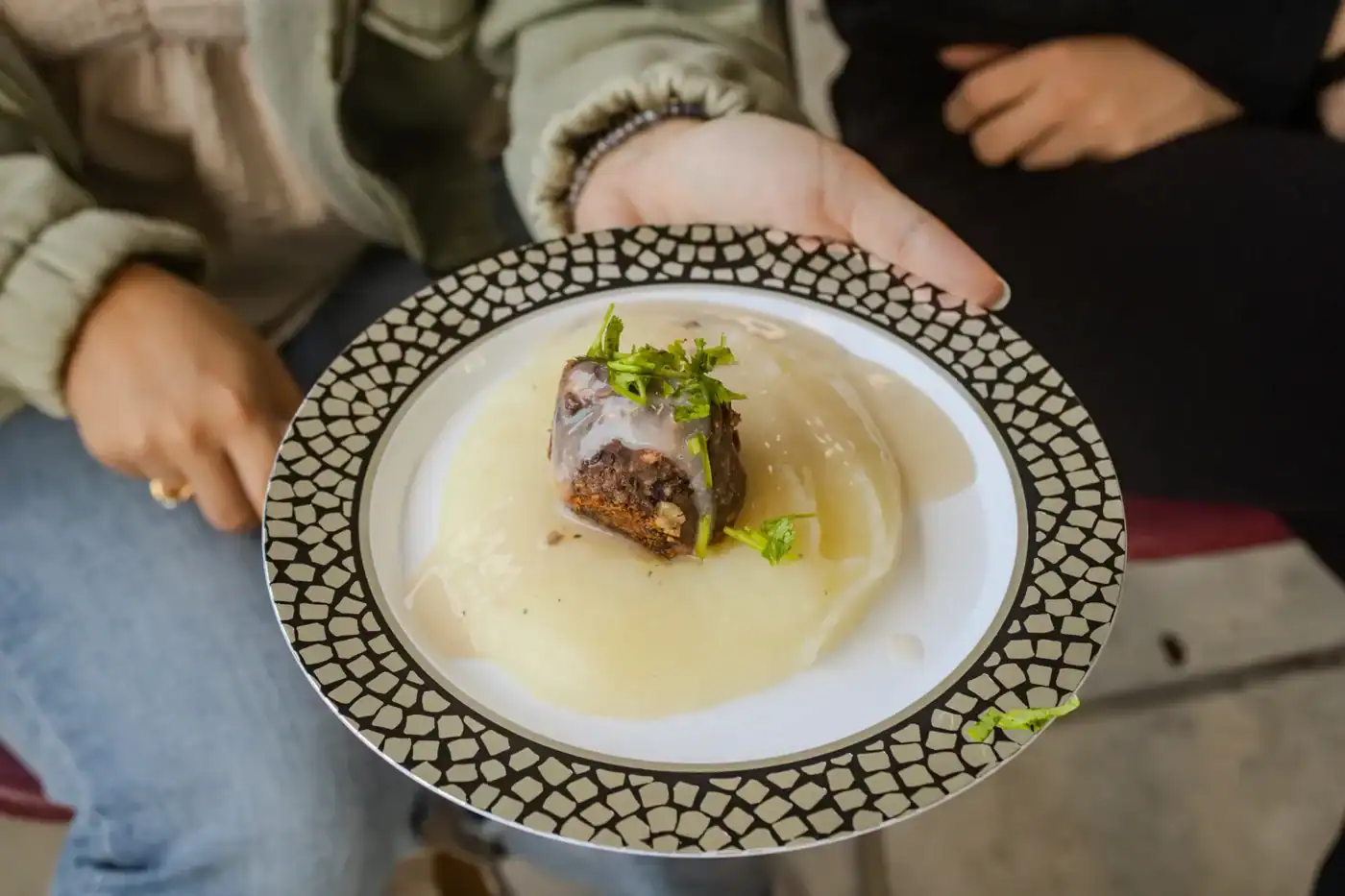
The activity concluded with the preparation of a complete dish using ingredients available at CoMesa. “We transformed donations such as dehydrated potatoes, legumes, and mushrooms into a nutritious meal that students can easily replicate,” she noted.
Through initiatives like this, CoMesa continues to strengthen its commitment to food security on campus while promoting practical tools that support the well-being and holistic development of the Sagrado community.