
By Institutional Communication
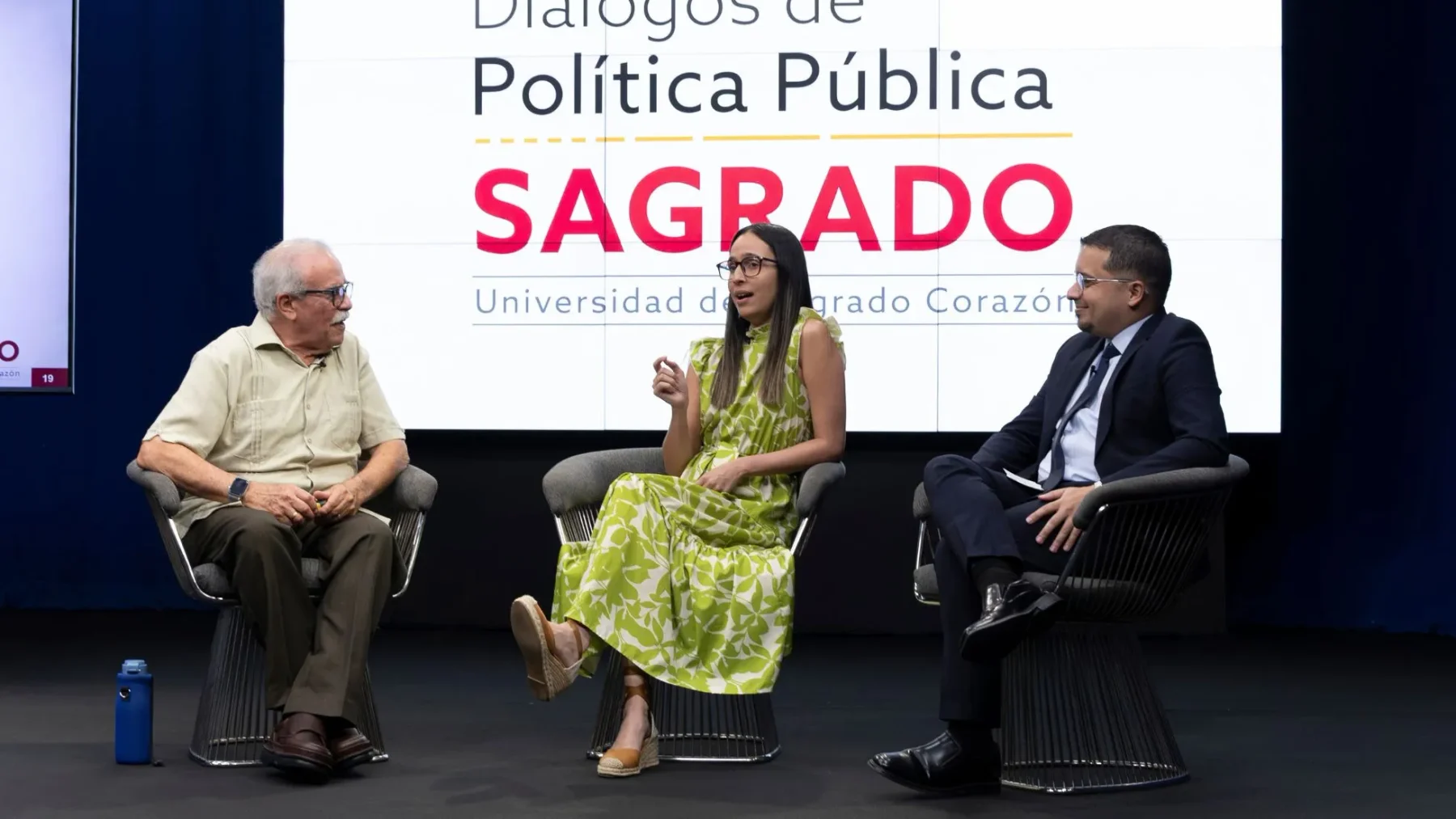
Universidad del Sagrado Corazón has opened a new space for conversation on issues that affect collective life with the launch of Public Policy Dialogues: Water and Drought in Puerto Rico, an event that brought together the university community to reflect on the challenges related to access to, management of, and availability of water in Puerto Rico.
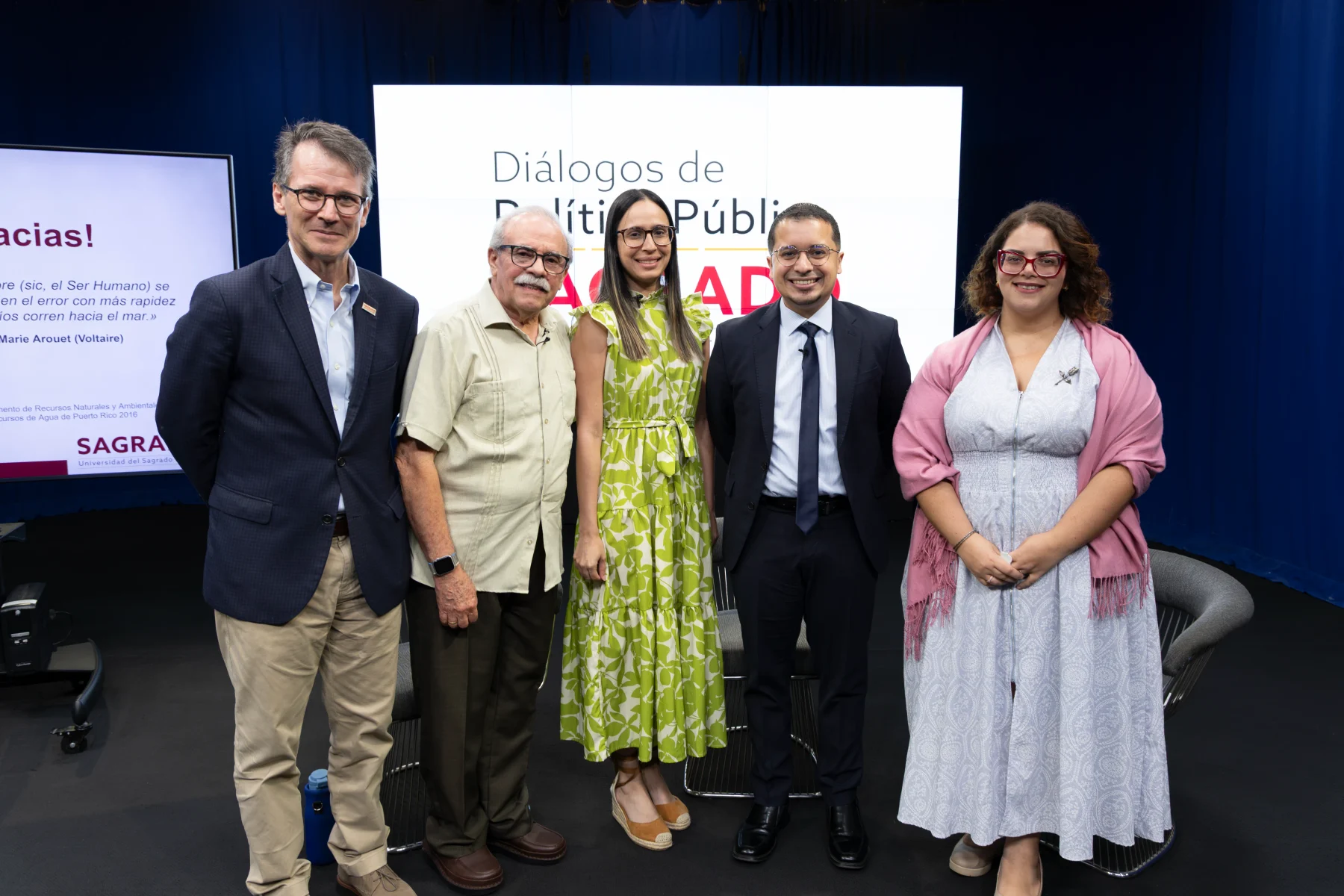
The event, held in Studio TV1 at the Ferré Rangel School of Communication, featured Félix I. Aponte Ortiz, a planner and retired professor from the Graduate School of Planning at the University of Puerto Rico, Río Piedras Campus. The discussion was moderated by Dr. Bianca Valdés Fernández, dean of the School of Health and Sciences, and José Luis Colón Rivera, director of Strategic Initiatives at Sagrado.
During his presentation, Aponte Ortiz emphasized the importance of effective water management in a context where precipitation patterns, climate change, and the country’s infrastructure conditions pose challenges to water availability and distribution. The planner addressed the drought Puerto Rico is experiencing and its relationship to larger-scale climate phenomena, such as El Niño, which has recently been classified as a Super El Niño due to its record-breaking intensity. He also highlighted the challenges facing the water distribution system and the need to strengthen infrastructure to reduce losses and respond to changing environmental conditions across the archipelago.
The conversation expanded to include issues of public health, food security, and access to drinking water. In response to questions from the moderators, participants discussed the source and quality of the water reaching the metropolitan area, reservoir capacity, and the need to update public policies and infrastructure in response to new climate realities.
The dialogue also raised questions about the role of academia and communities in addressing these challenges. For Aponte Ortiz, one of the challenges presented by this situation is that “a lot of data is generated, but it is not always transformed into action.” The planner therefore emphasized the importance of fostering study, critical thinking, and ongoing reflection at the university in order to prepare educated, aware, and engaged citizens.
A Space to Foster Civic Engagement
The conversation about water marks the starting point for a broader Sagrado initiative: Public Policy Dialogues. According to Colón Rivera, this space is part of a project currently in development that seeks to strengthen Sagrado’s academic, research, and event programming related to public policy and governance.
The director of Strategic Initiatives explained that, through these gatherings held every two months, the university seeks to foster “balanced, high-level” dialogues that bring together diverse perspectives on local, national, and international challenges, with the goal of deepening understanding and cultivating a culture of civic engagement.
Part of a Commitment to Institutional Sustainability
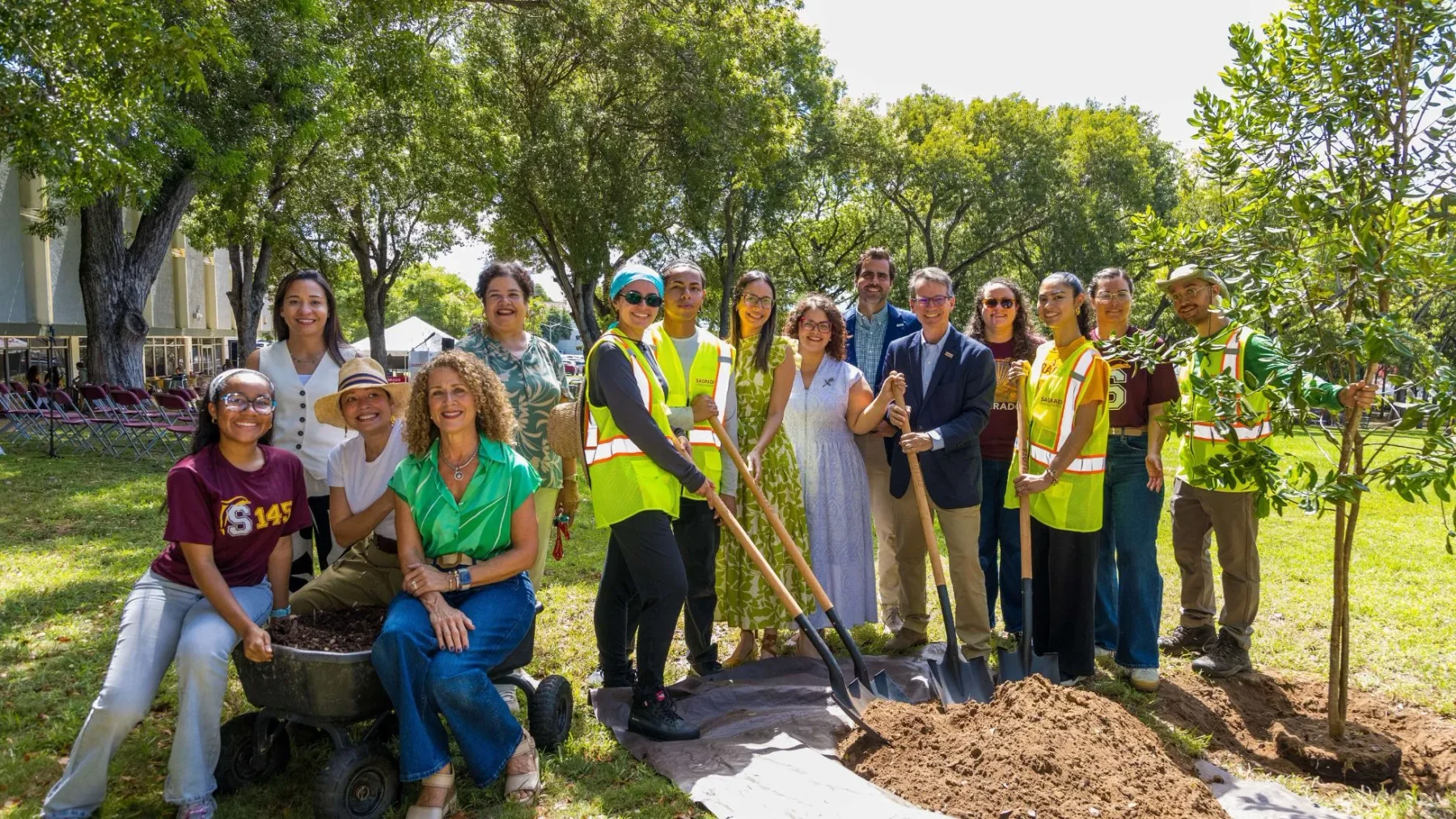
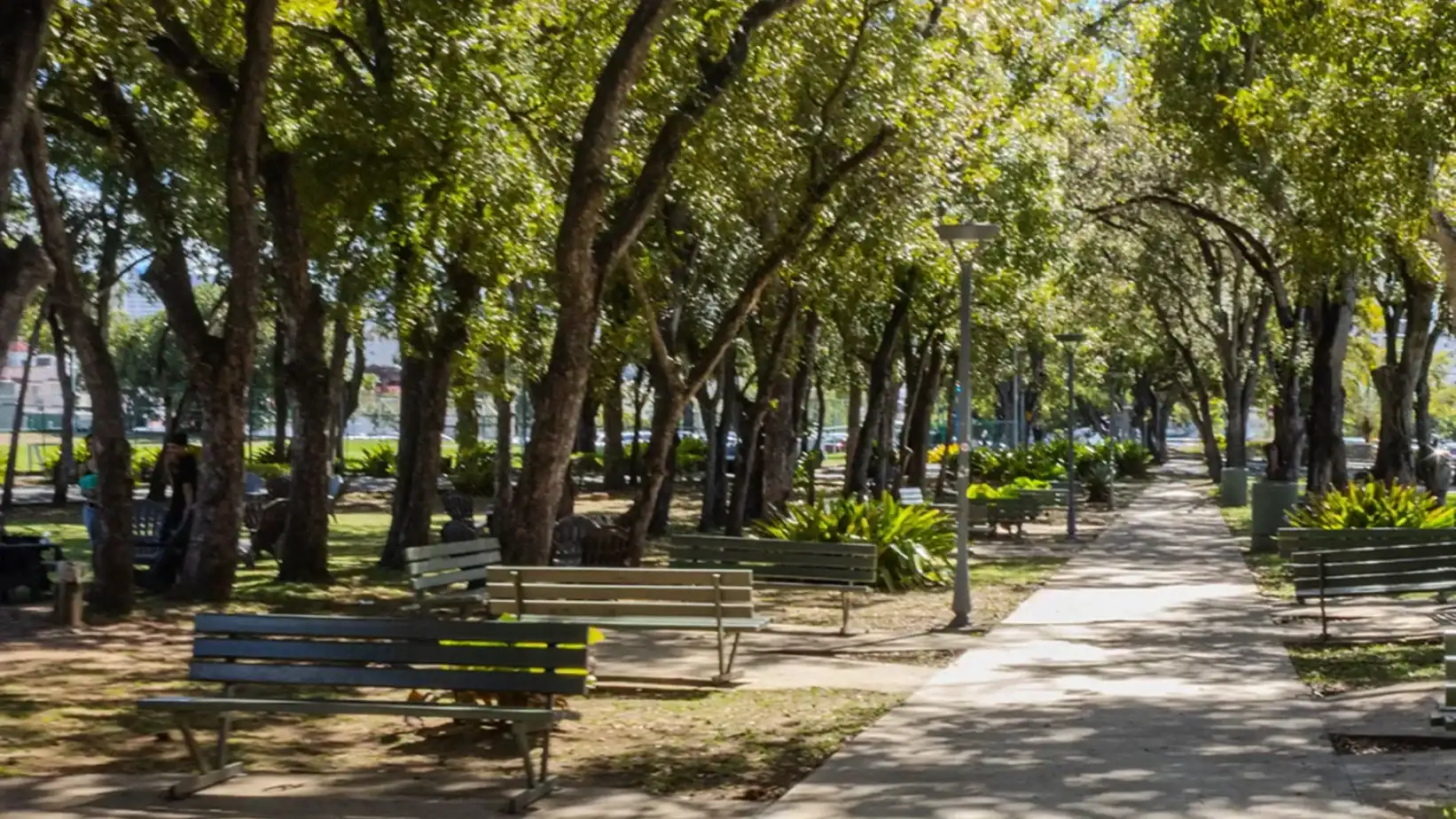
The dialogue was part of the university’s Arbor Day program and the Sagrado Bosque Urbano project, an initiative that seeks to preserve and strengthen Santurce’s green lung. The celebration was held for the first time as part of the University’s commitment to sustainability and community well-being.
The program included a series of educational, recreational, and environmental awareness activities, including wellness and healing workshops, classes held beneath the trees, the public policy dialogue, and a market featuring student entrepreneurs.
In this way, the conversation on water and drought became part of a day dedicated to reflecting on the relationship between people’s well-being, the environment, and collective responsibility, while Public Policy Dialogues opens a new space at Sagrado to continue that conversation. To learn about upcoming editions of Public Policy Dialogues, stay up to date through the institutional events calendar, Eventos@Sagrado, and the University’s digital platforms.
Related stories
Sagrado Embraces Sustainability and Community Well-Being
Sagrado Recognized Among 14 Universities in the United States and Puerto Rico for Integrating Sustainability into Its Educational Mission
Sagrado Announces Plan for Urban Forest Development