
This distinction adds to the Carnegie Elective Classification for Community Engagement, which the institution reaffirmed earlier in 2026.
By Institutional Communication
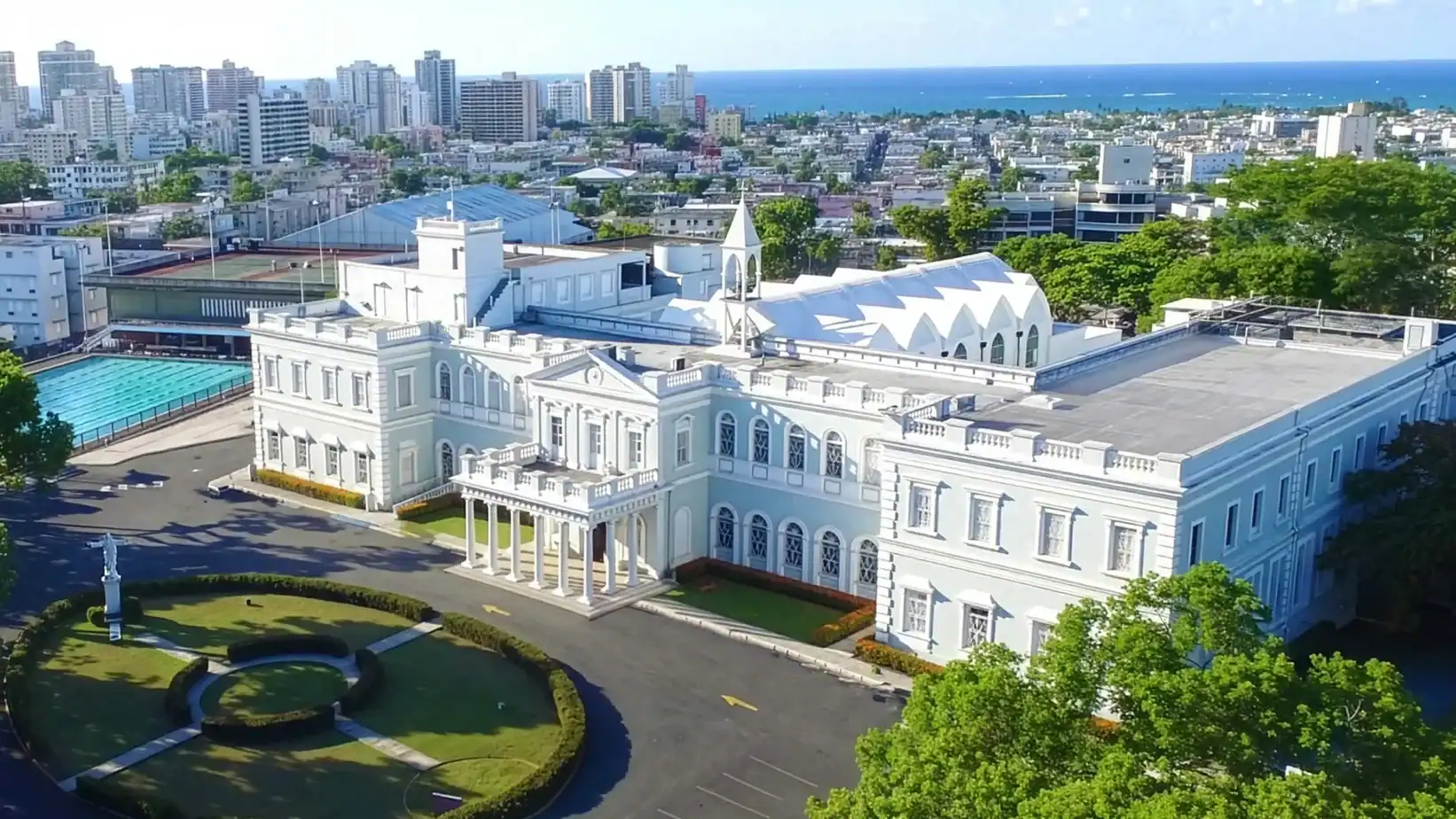
Universidad del Sagrado Corazón (Sagrado) has been recognized with the Carnegie Elective Classification for Sustainability, which recognizes institutions that integrate sustainability across areas such as research, academic curricula, institutional operations, professional preparation, and community engagement.
Sagrado is the only institution in Puerto Rico to be part of the inaugural group of 14 selected universities and one of the first higher education institutions to receive this new distinction. For the university, the recognition validates an educational model that integrates sustainability as a tool for preparing professionals capable of responding to Puerto Rico’s social, economic, and environmental challenges.
“At Sagrado, we believe that education must translate into concrete actions that contribute to the well-being of people and communities. Integrating sustainability into our educational mission allows us to prepare leaders capable of responding to Puerto Rico’s challenges and contributing to the building of a more just, supportive, and resilient society,” said Gilberto J. Marxuach Torrós, president of Universidad del Sagrado Corazón.
The classification recognizes institutional work that encompasses all dimensions of university life, from academic curriculum design to experiences that apply learning beyond the classroom. Among Sagrado’s academic initiatives in this area are the integration of the United Nations Sustainable Development Goals into the academic experience, the minor concentration in Sustainable Development, and the emphasis on sustainability in the Industrial Design and Fashion Design and Management programs. In addition, research and applied learning experiences focused on water conservation, climate resilience, and food security stand out among the University’s initiatives.
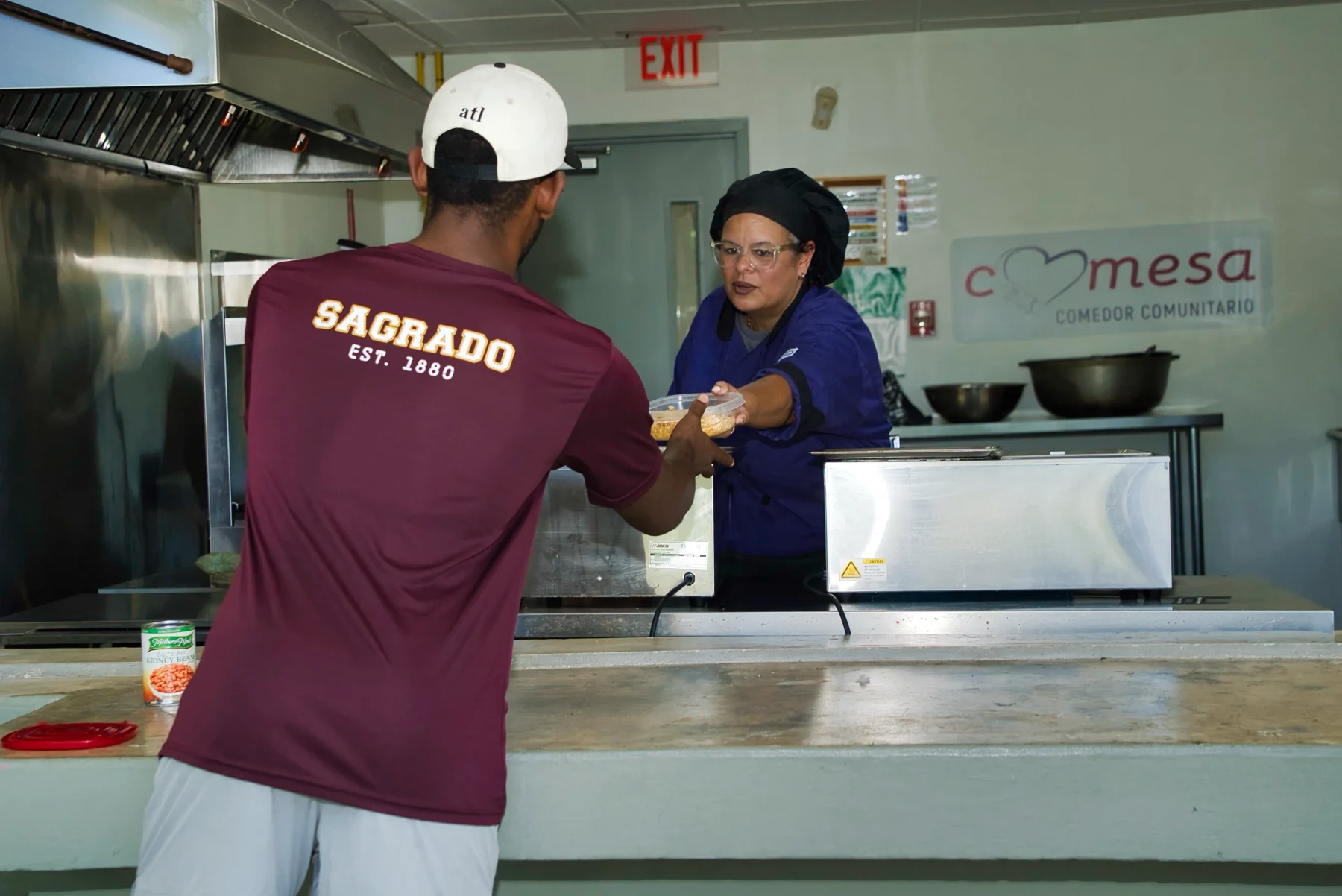
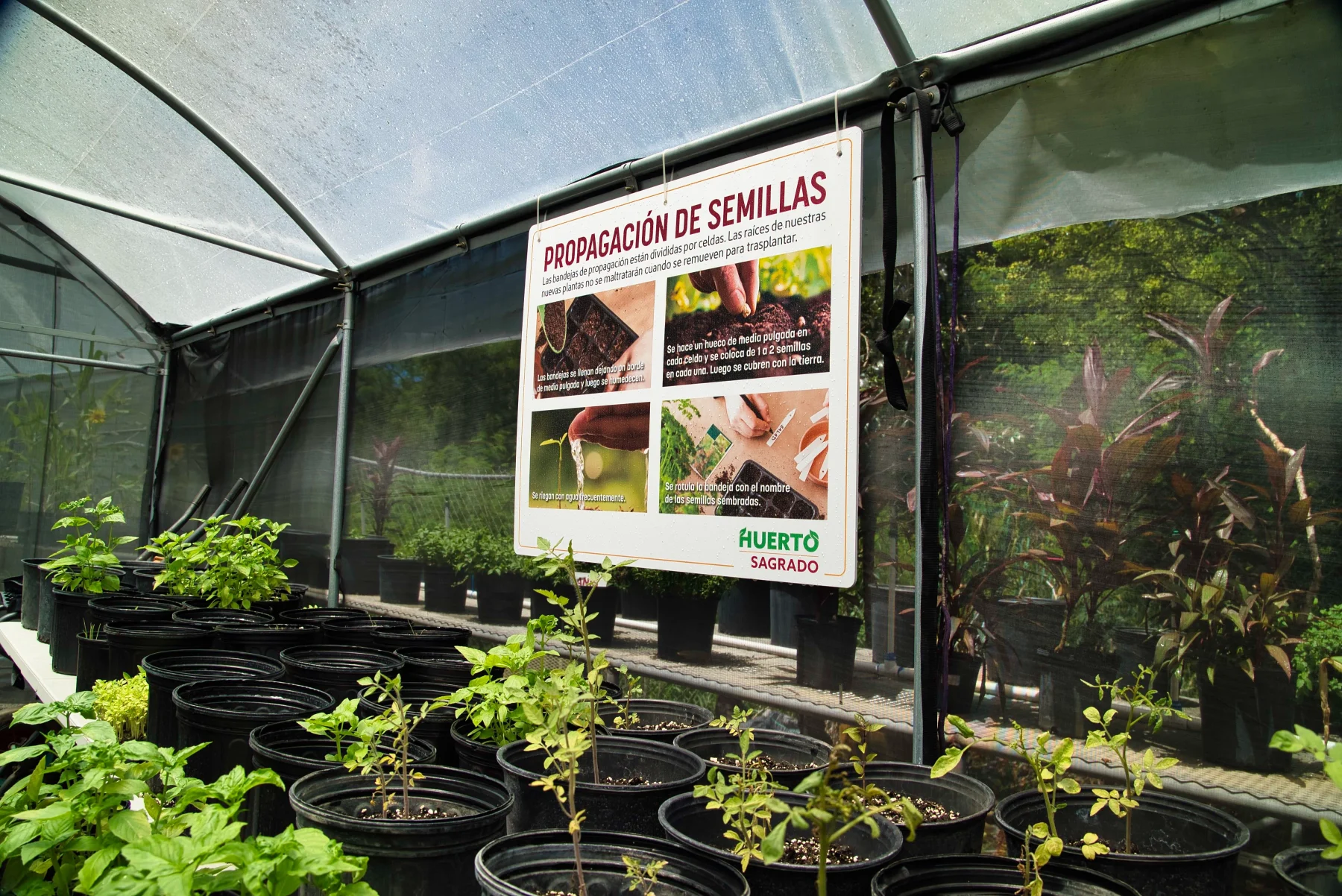
Likewise, Sagrado Bosque Urbano, the CoMesa community dining program, the community garden, and its integration with the School of Health and Sciences are sustainability initiatives that have a positive impact both on and beyond campus.
Dr. Anuchka Ramos Ruiz, provost and vice president for Academic Affairs at Sagrado, highlighted the recognition as confirmation that sustainability is a way of understanding Sagrado’s educational mission and its commitment to Puerto Rico. She also noted that the distinction advances the goals of the Sagrado 2030 Strategic Plan, which presents “an institutional vision that promotes an education focused on innovation, collaboration with communities, and the development of change agents committed to collective well-being.”
To be considered for the classification, Sagrado participated in the 2025 pilot program, during which it completed a rigorous, collaborative self-study process and provided recommendations on the classification framework, application questions, requirements, and evaluation process.
“The first group of inaugural institutions help bring this new classification to life,” said Timothy F.C. Knowles, president of the Carnegie Foundation for the Advancement of Teaching. “We’re proud to recognize their leadership and the many ways they are advancing sustainability across their campuses and communities.”
In addition to Sagrado, the institutions participating in the pilot program that received the Classification are Bennett College, Carleton College, Clarkson University, George Mason University, Mt. San Antonio College, Pima Community College, Tohono O’odham Community College, University of Arizona, University of California-Merced, University of Idaho, University of Nebraska-Lincoln, University of Nevada, and University of Wisconsin–Eau Claire.
The Carnegie Elective Classification for Sustainability is administered by the University of Colorado Boulder in collaboration with the Carnegie Foundation for the Advancement of Teaching and the American Council on Education (ACE). Institutions that receive the classification retain the designation for six years.
Related stories
Sagrado Stands Out as the Only University in Puerto Rico with the Carnegie Community Engagement Classification
Sagrado Recognized as One of the Most Innovative Universities of the Year in the US
Hispanic Access Foundation Connects With Sagrado’s Educational Project