
Colombian economist Leydi Higidio Henao highlighted the importance of strengthening cultural policies, investment, and the role of universities in fostering the growth of the creative industries.
By Jemilys Velázquez Méndez
Interdisciplinary Communication Student
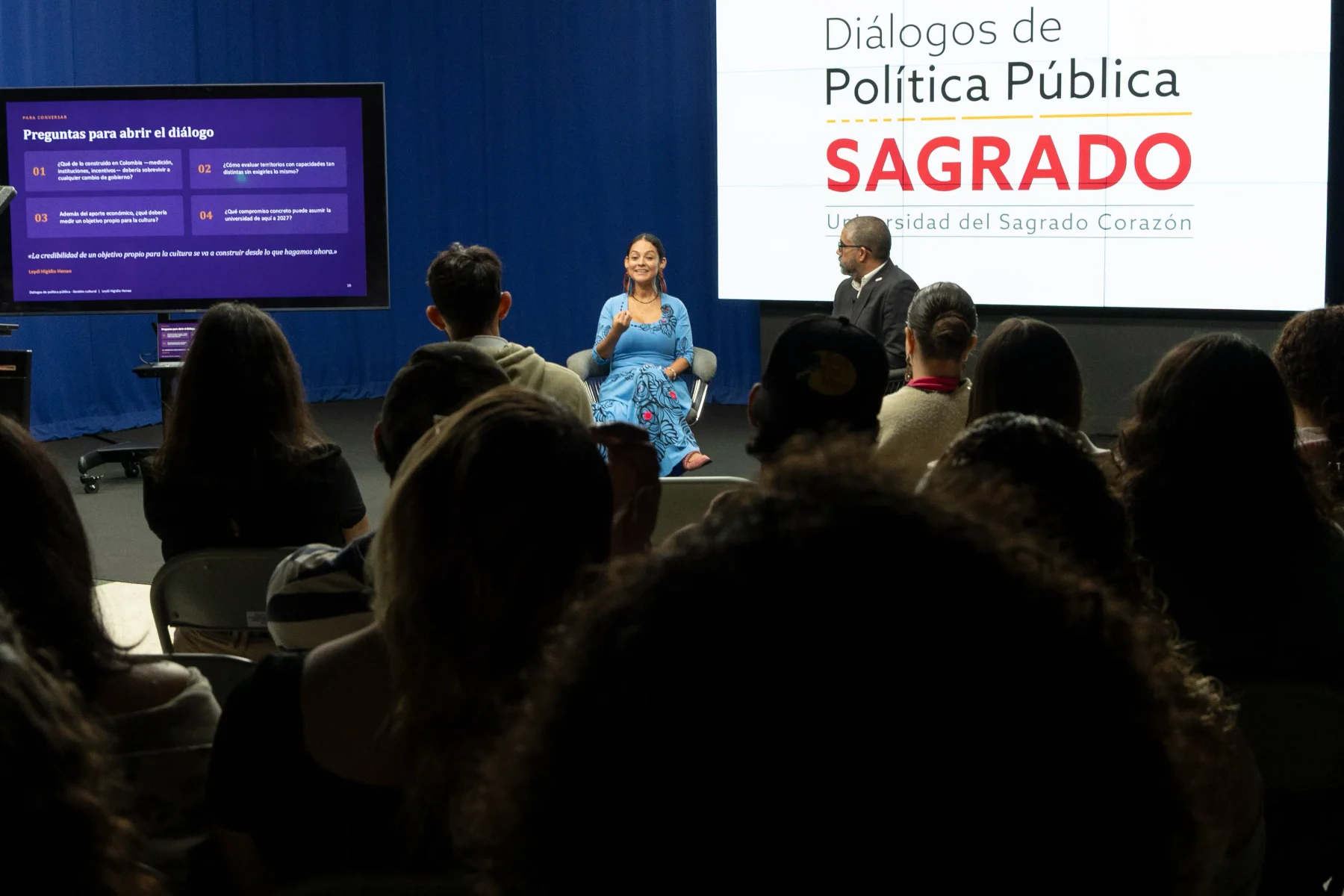
Universidad del Sagrado Corazón hosted a new edition of Diálogos de Política Pública (“Public Policy Dialogues”), focused on cultural management and its impact on economic and social development. Moderated by Dr. Javier Hernández Acosta, Associate Vice President and Dean of Graduate Studies, the event featured Leydi Higidio Henao, a Colombian economist who shared experiences and strategies for strengthening cultural public policies through collaboration among government, academia, and the creative industries.
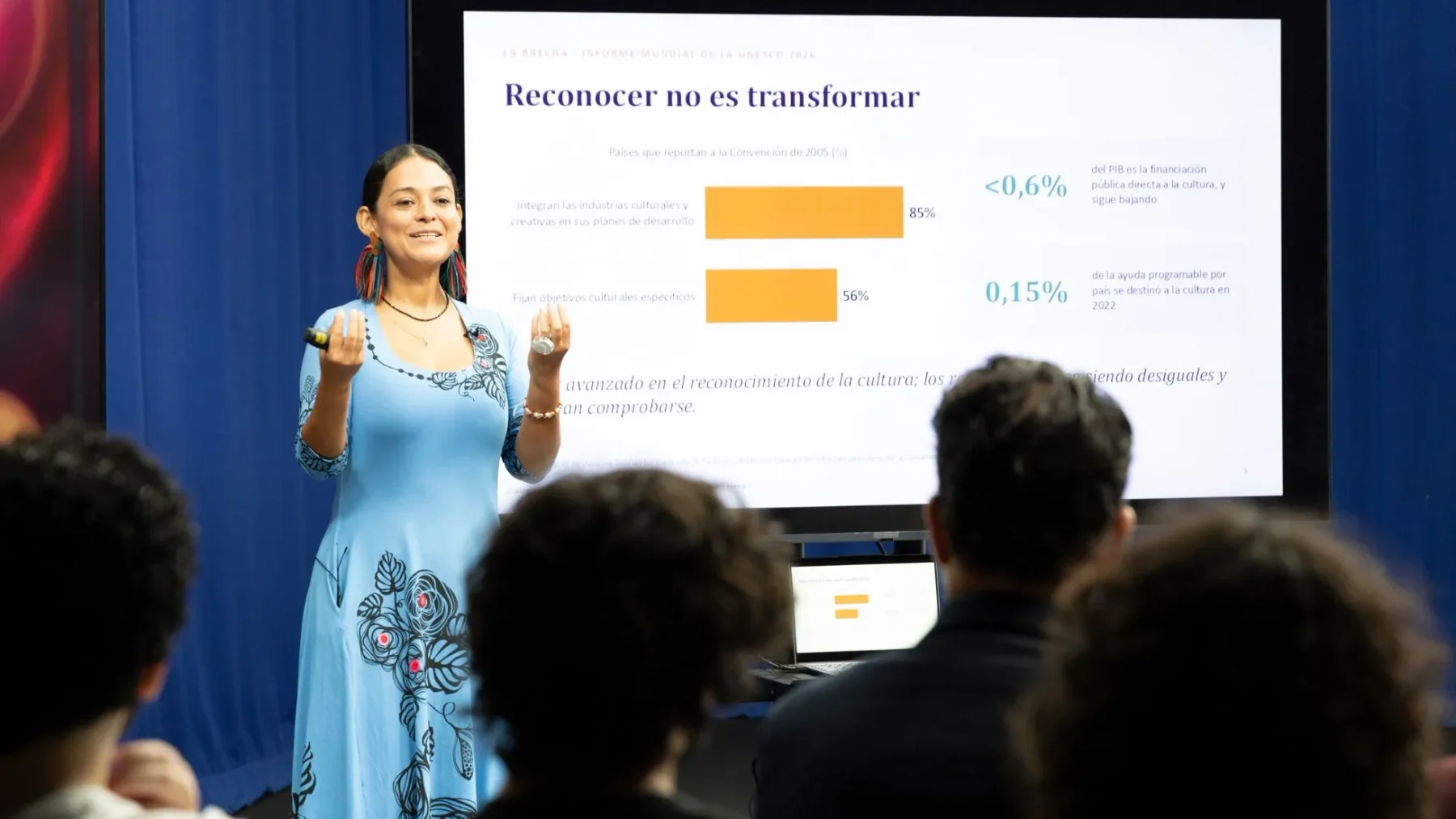
With more than 20 years of experience in public policy, territorial development, international cooperation, and the strengthening of cultural ecosystems, Higidio Henao opened the discussion by emphasizing that recognizing the importance of culture is not enough if that recognition does not lead to concrete action.
“Recognition does not equal transformation,” said the economist, stressing the need for cultural policies with measurable goals, adequate resources, and evaluation mechanisms that ensure continuity regardless of changes in government.
As part of the conversation, Higidio Henao shared her experiences in Colombia, where initiatives such as the Public Entertainment Law (Law 1493) and the country’s film legislation have helped establish funding mechanisms and strengthen cultural infrastructure. She also highlighted the Cali Cultural Industries Project, which exceeded its original goal of supporting 150 initiatives by ultimately reaching more than 300 projects.
These examples provided an opportunity to examine how public policy can strengthen the capacity of cultural managers, promote economic sustainability, and expand opportunities for collaboration among artists, organizations, and institutions.
Another central theme was the need to evaluate cultural impact beyond economic indicators. Higidio Henao explained that factors such as civic participation, territorial identity, and collective well-being should also be considered when assessing the outcomes of cultural initiatives.
The discussion also addressed ongoing challenges within the sector, including territorial concentration and initiatives disconnected from clearly defined goals and accountability structures. Higidio Henao proposed five conditions for addressing these challenges and achieving meaningful results, including establishing clear starting points, goals, and timelines, assigning resources and responsibilities, and maintaining openness to public evaluation.
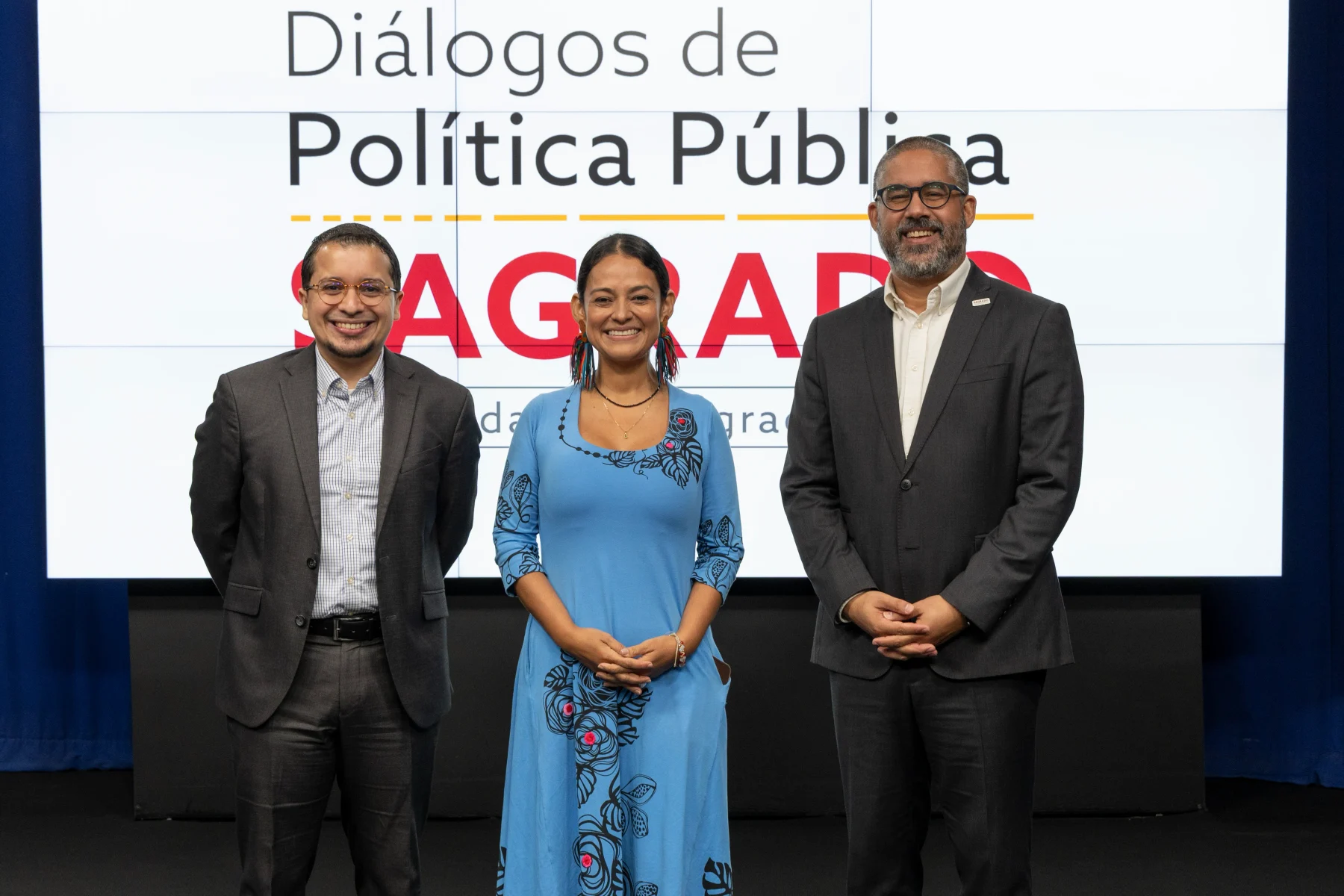
Picture on the left: economist Leydi Higidio Henao with José Luis Colón Rivera, director of Strategic Initiatives on Public Policy and Governance at Sagrado, and Dr. Javier Hernández Acosta.
Regarding the role of universities, the economist emphasized their potential as spaces for research, experimentation, and interdisciplinary collaboration. She highlighted the importance of connecting students and faculty with real-world projects that address social challenges through creativity, innovation, and emerging technologies, including artificial intelligence.
For his part, Hernández Acosta underscored the importance of continuing these conversations from Puerto Rico, integrating local experiences with regional and international discussions on the future of cultural policy.
With this second edition of Diálogos de Política Pública, Universidad del Sagrado Corazón reaffirmed its commitment to creating spaces for dialogue and analysis on issues related to economic, social, and cultural development both within and beyond Puerto Rico, while encouraging civic participation.
Listen to the full edition of Diálogos de Política Pública: Gestión Cultural below.
More about Public Policy at Sagrado
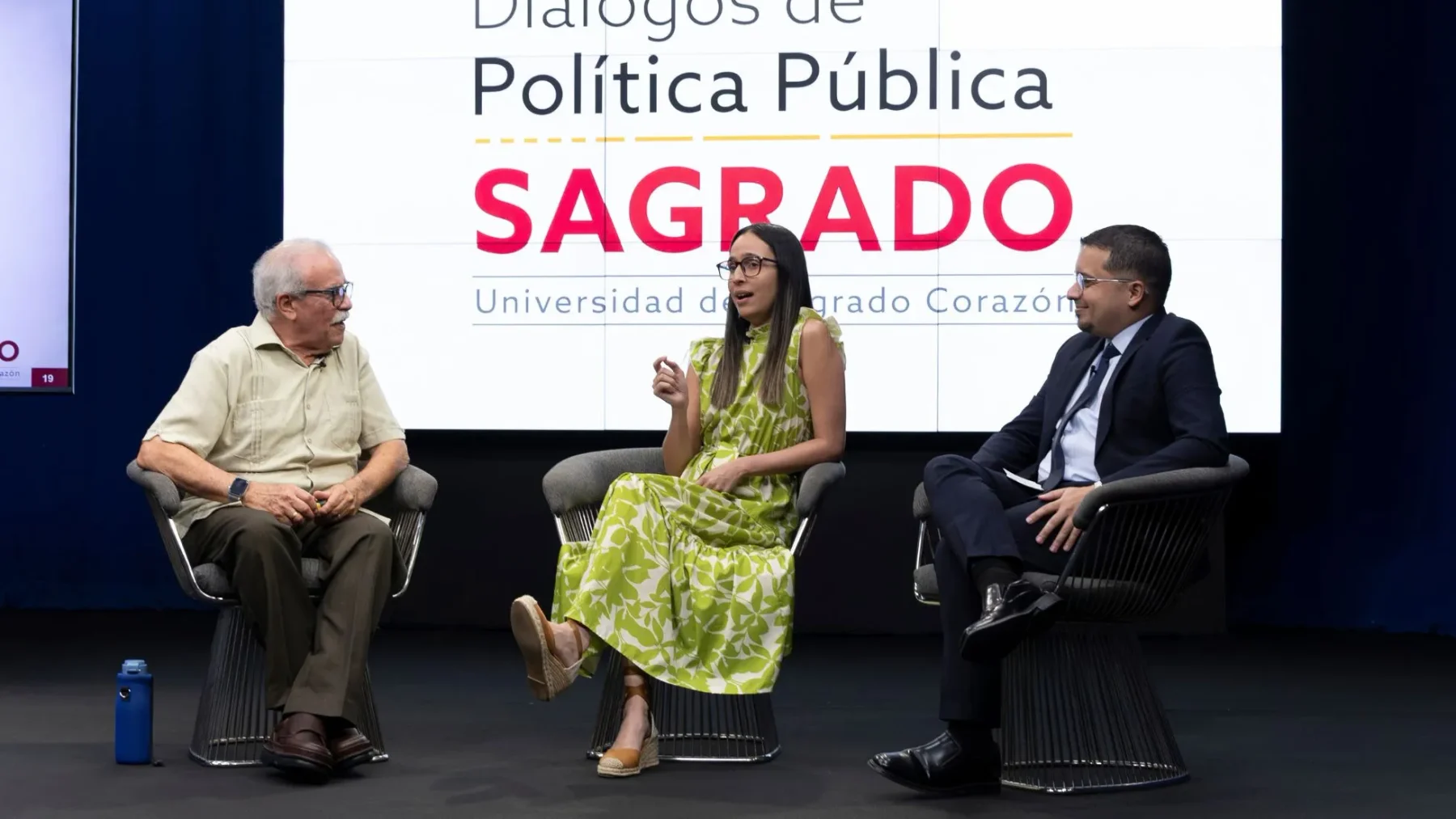
Sagrado Opens New Space for Dialogue on Public Policy and Civic Engagement