
The panel discussion took place on November 11 at Universidad del Sagrado Corazón.
By Andrea Centeno Díaz
Journalism student with a minor in International Studies and Global Communication
As a territory of the United States, it is important for Puerto Ricans to stay informed not only about local politics, but also about developments in U.S. politics. With this in mind, the Puerto Rican International Relations Association (APRI), together with the Foreign Relations Association at Universidad del Sagrado Corazón, organized the panel discussion After the Ballots: The Midterm Elections.
On November 3, the United States held its midterm elections, the results of which surprised many analysts and observers by diverging from projections that had favored President Donald J. Trump.
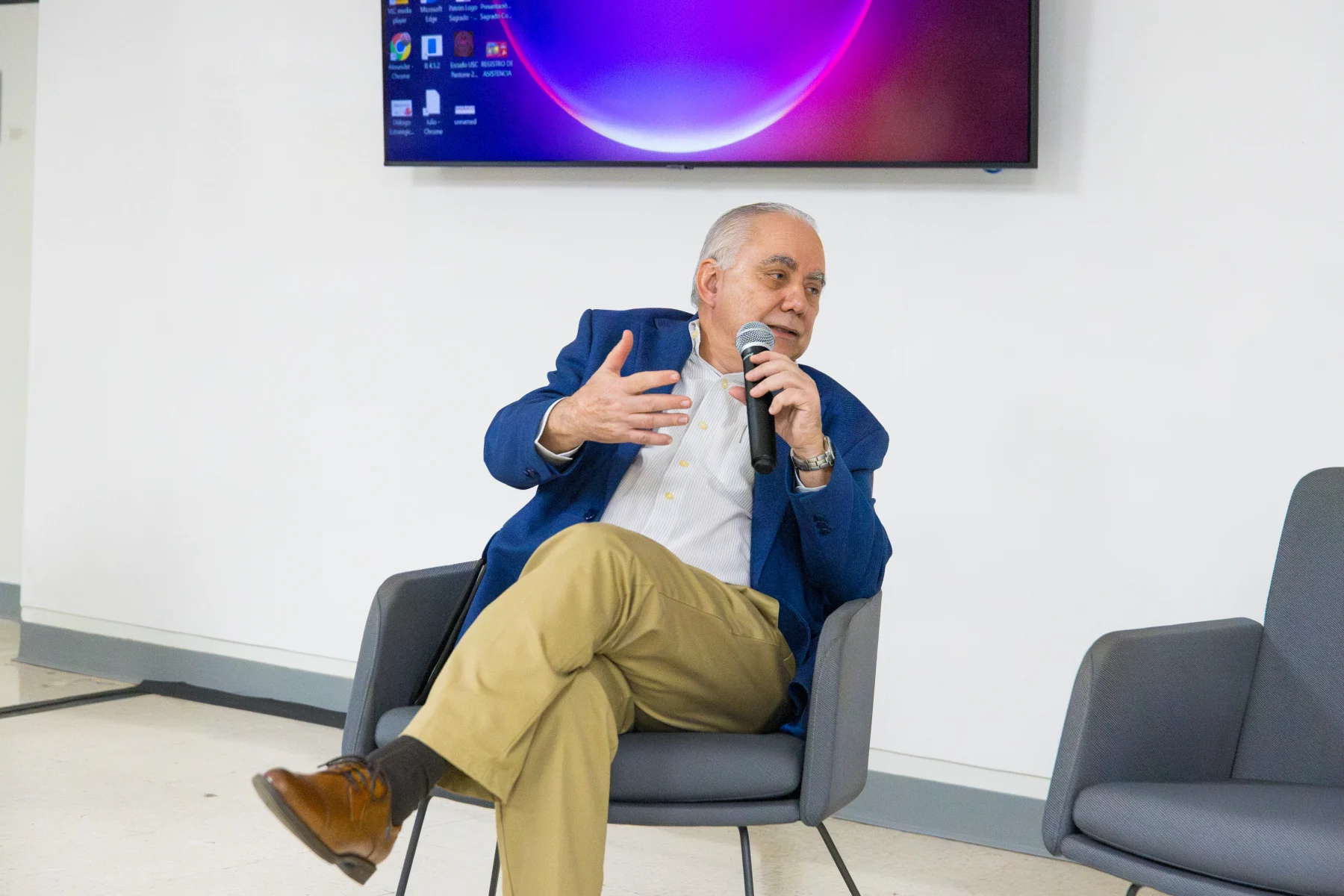
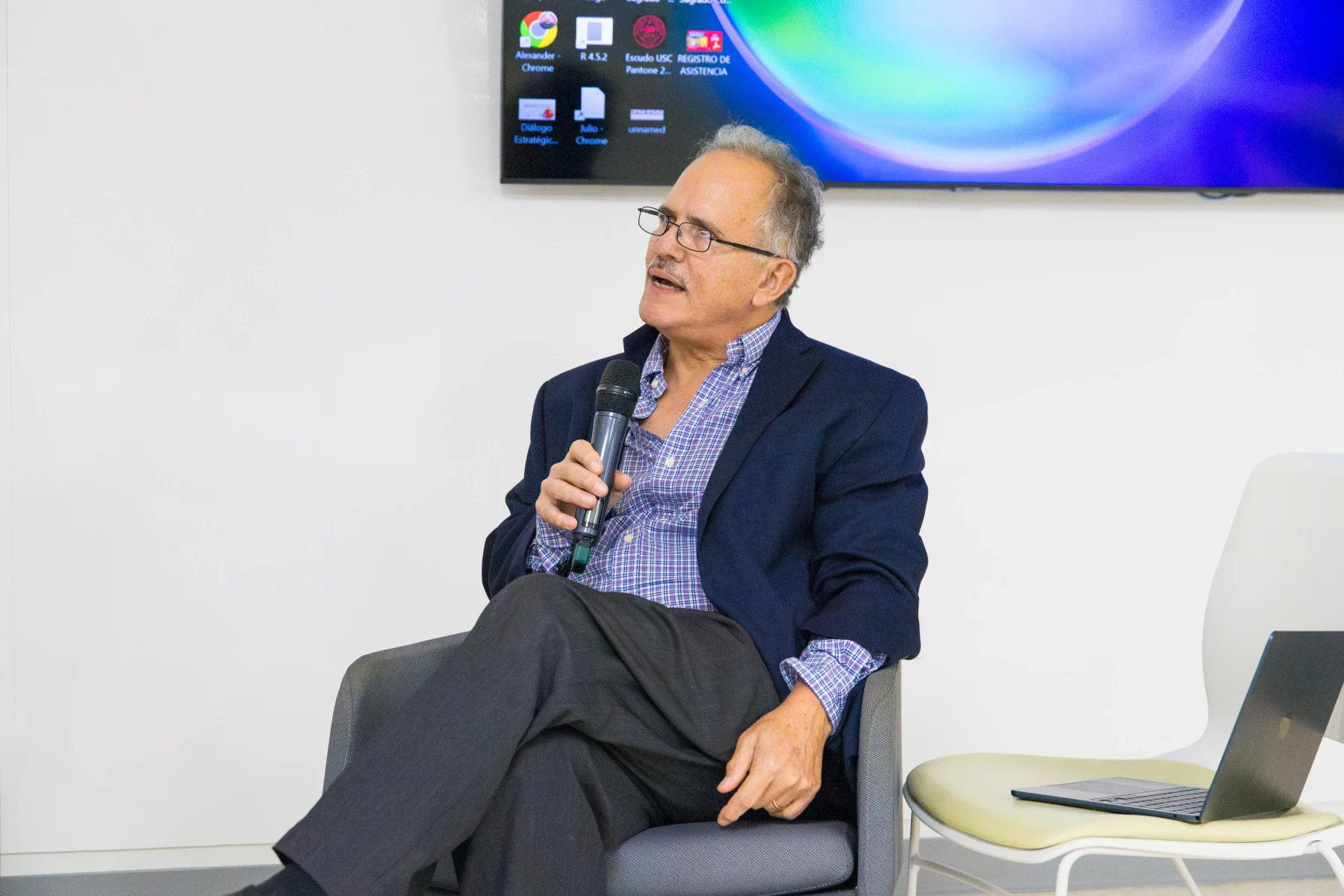
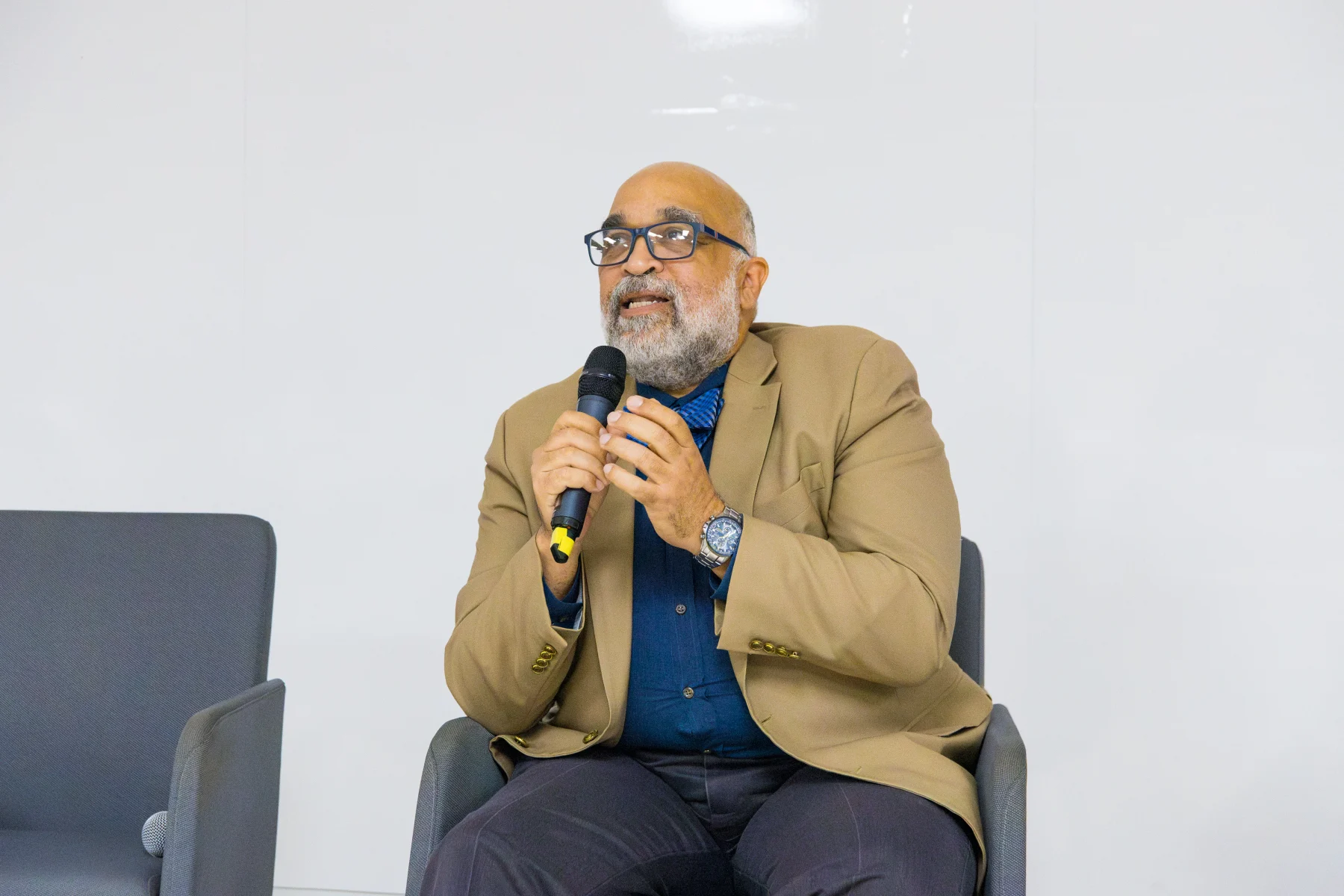
The event featured Dr. Gerardo González Núñez, researcher, consultant, and professor at the Inter-American University of Puerto Rico, Metro Campus; Dr. José J. Colón Morera, professor in the Department of Political Science at the University of Puerto Rico, Río Piedras Campus; and Professor José R. Rivera González, an expert in geopolitics and international relations and a faculty member at Universidad del Sagrado Corazón. During the discussion, the panelists examined the causes and potential implications of the election results, as well as their possible effects on the future of the United States.
“These elections were expected to serve as a referendum on the first two years of Donald Trump’s administration. Every poll predicted a Democratic victory; the difference is that not all of them predicted a blue wave,” reflected González Núñez regarding the election outcome, which resulted in a Democratic majority in the Senate.
The election results represented not only a victory for the Democratic Party, but also a significant moment for minority communities in the United States. Several positions, including governorships, Senate seats, and congressional offices, were won by individuals of African, Latino, and Arab descent.
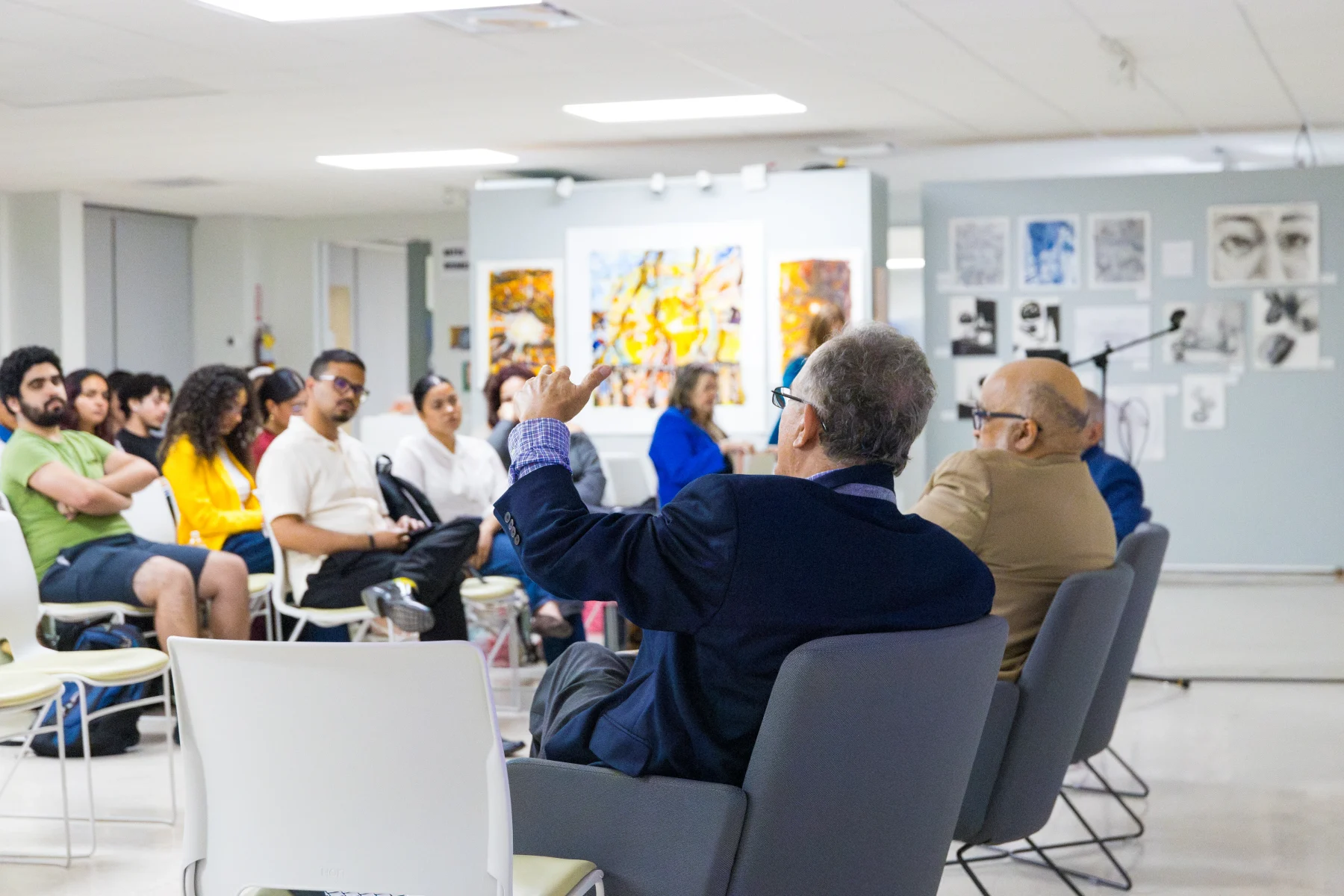
Nevertheless, the panelists emphasized that one of the strongest motivations behind voting against the Republican Party was the desire for greater economic stability amid inflationary pressures.
“Inflation was an actor in this election. The U.S. economy is strong in terms of growth and employment; where it is not strong is in guaranteeing quality of life,” González Núñez noted when discussing the role of the economy in the election.
Professor Colón Morera highlighted the impact of international conflicts on rising inflation, arguing that ongoing geopolitical tensions have played a significant role in increasing economic pressures. As one example, he explained that disruptions to the Strait of Hormuz contribute to higher prices for oil, diesel fuel, and fertilizers, ultimately affecting the global economy.
“That has a direct impact on people’s wallets, and reducing the cost of living was one of Trump’s specific promises,” he added.
Meanwhile, Professor Rivera González argued that Democratic leaders should carefully consider their next steps and avoid rushing toward impeachment efforts against President Trump. According to the panelists, internal divisions within the party could distract policymakers from the priorities that voters elected them to address.
“I believe the new Democratic majority must stay focused on why they were elected: conducting oversight, fighting corruption, addressing inflation, and, as an institutional and constitutional body, placing limits on the executive branch’s actions in foreign policy, however limited those constraints may be,” Rivera González said.
He also emphasized that credit for the election results belongs not only to Democrats, but also to the American electorate, which turned out to vote despite the influence of political messaging and polarization. He further noted that many voters cast their ballots in opposition to Trump’s policies.
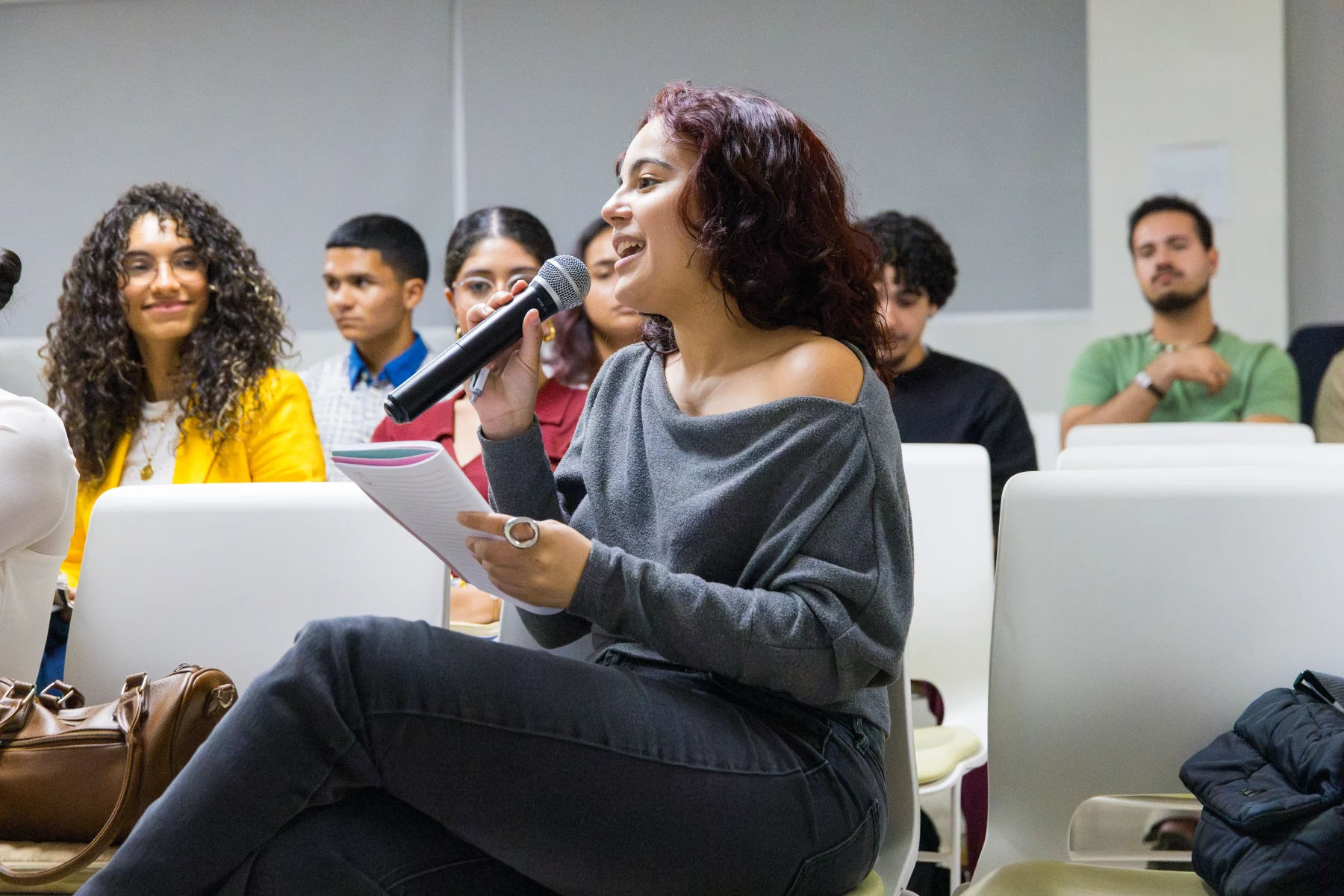
Throughout the discussion, students played an active role during a question-and-answer session that encouraged the exchange of ideas, concerns, and perspectives between the audience and the panelists. One attendee, Karina Rosario González, a student in the International Studies and Global Communication program, said that events like this expose students to new ideas and perspectives that enrich their academic development.
“It is important to create opportunities like this not only to educate, but also to foster dialogue about events that, in one way or another, affect all of us,” she reflected.
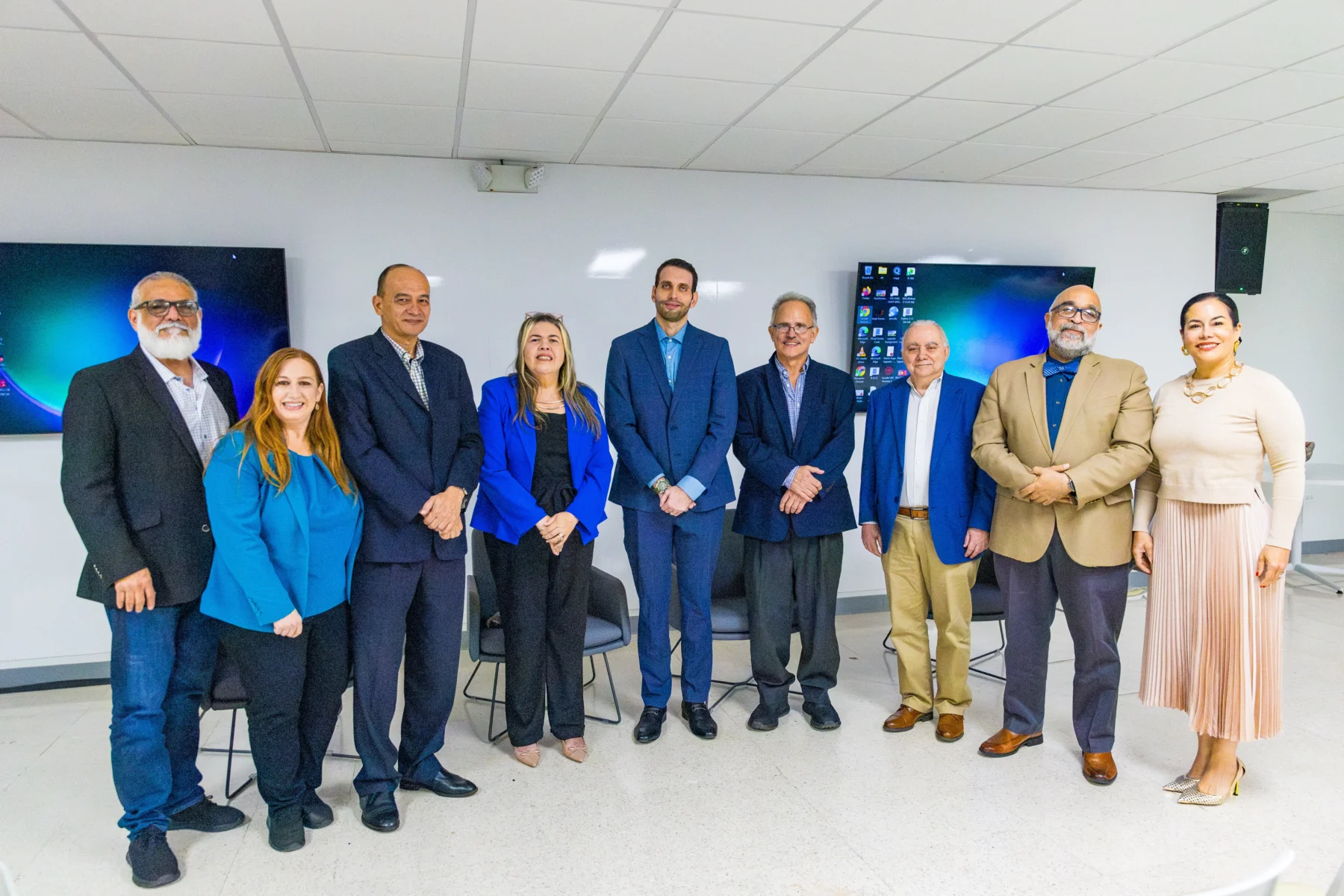
At the conclusion of the event, Dr. Maddy Borrero Montalvo, Executive Director of APRI, underscored the importance of engaging Puerto Rican youth in conversations about international affairs and noted the strong interest young people have in understanding global political issues.
“They are part of our reality, and they are our future. The future is here. The future is present, and it must continue evolving. We can create opportunities for them and support them tremendously,” Borrero Montalvo reflected.
Beyond analyzing election results, the discussion, organized by the International Studies and Global Communication program, demonstrated the value of creating spaces where academia, experts, and young people can collectively examine the events shaping the international landscape. Collaborations such as this strengthen Sagrado’s ability to connect students with conversations of global significance and foster a deeper understanding of the issues that affect both Puerto Rico and the wider world.
More stories from the International Studies and Global Communication program
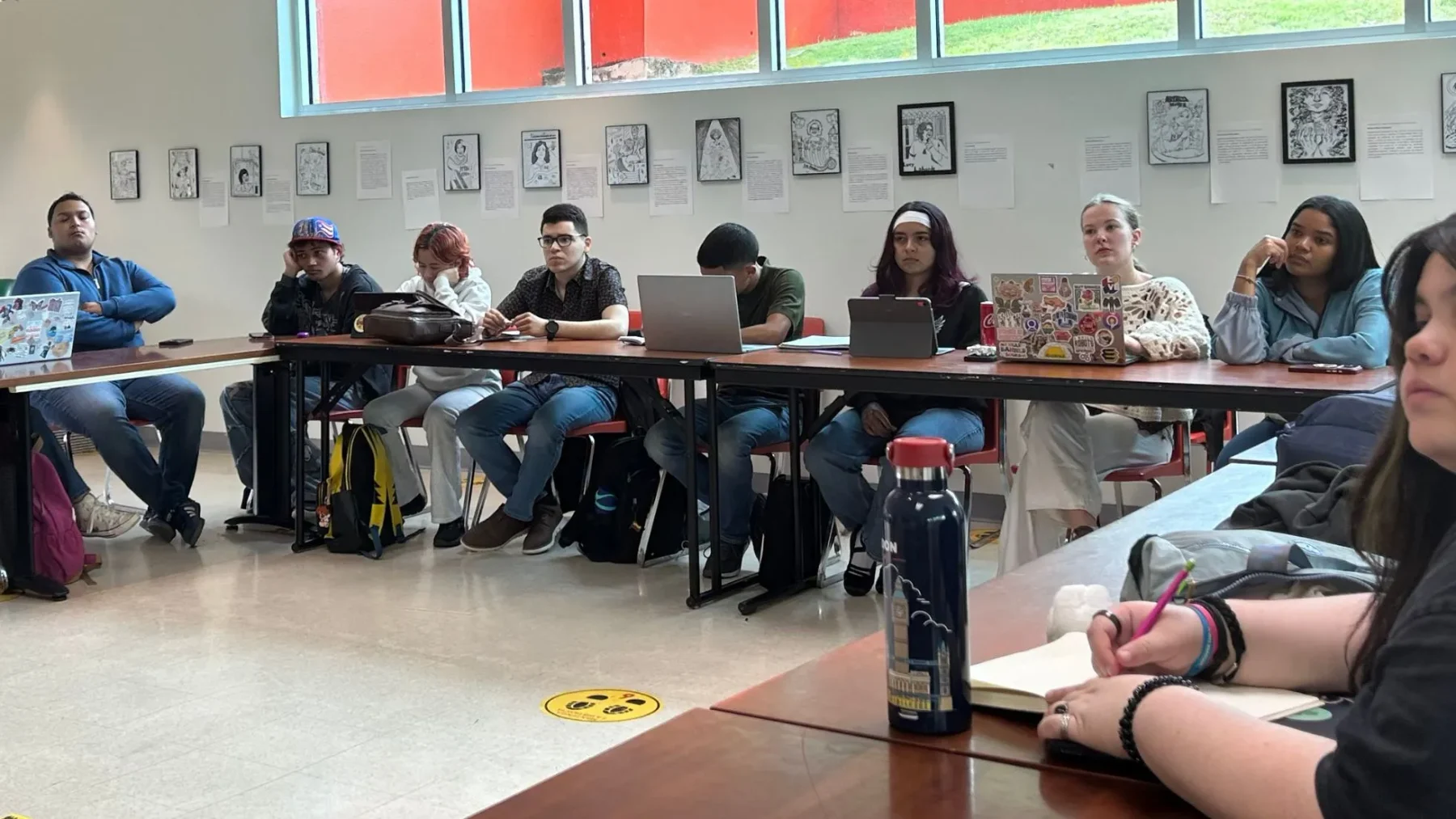
A Look at Fujimorismo and the Challenges Facing the Political System of the Republic of Peru
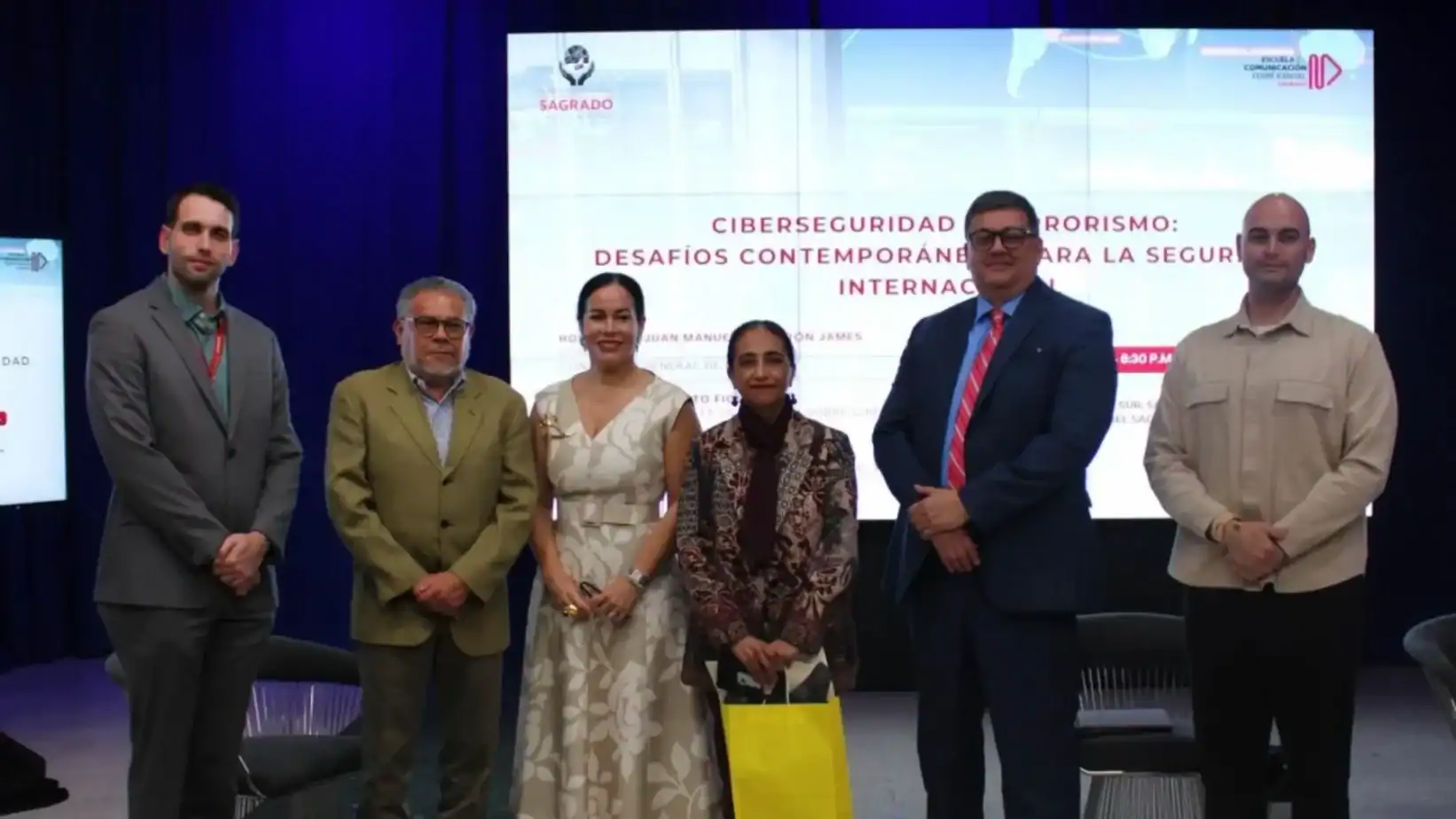
Expert Panel on Cybersecurity and Terrorism Addresses Contemporary Challenges to International Security