
This was the first edition focused exclusively on the creative sector.
By Institutional Communications
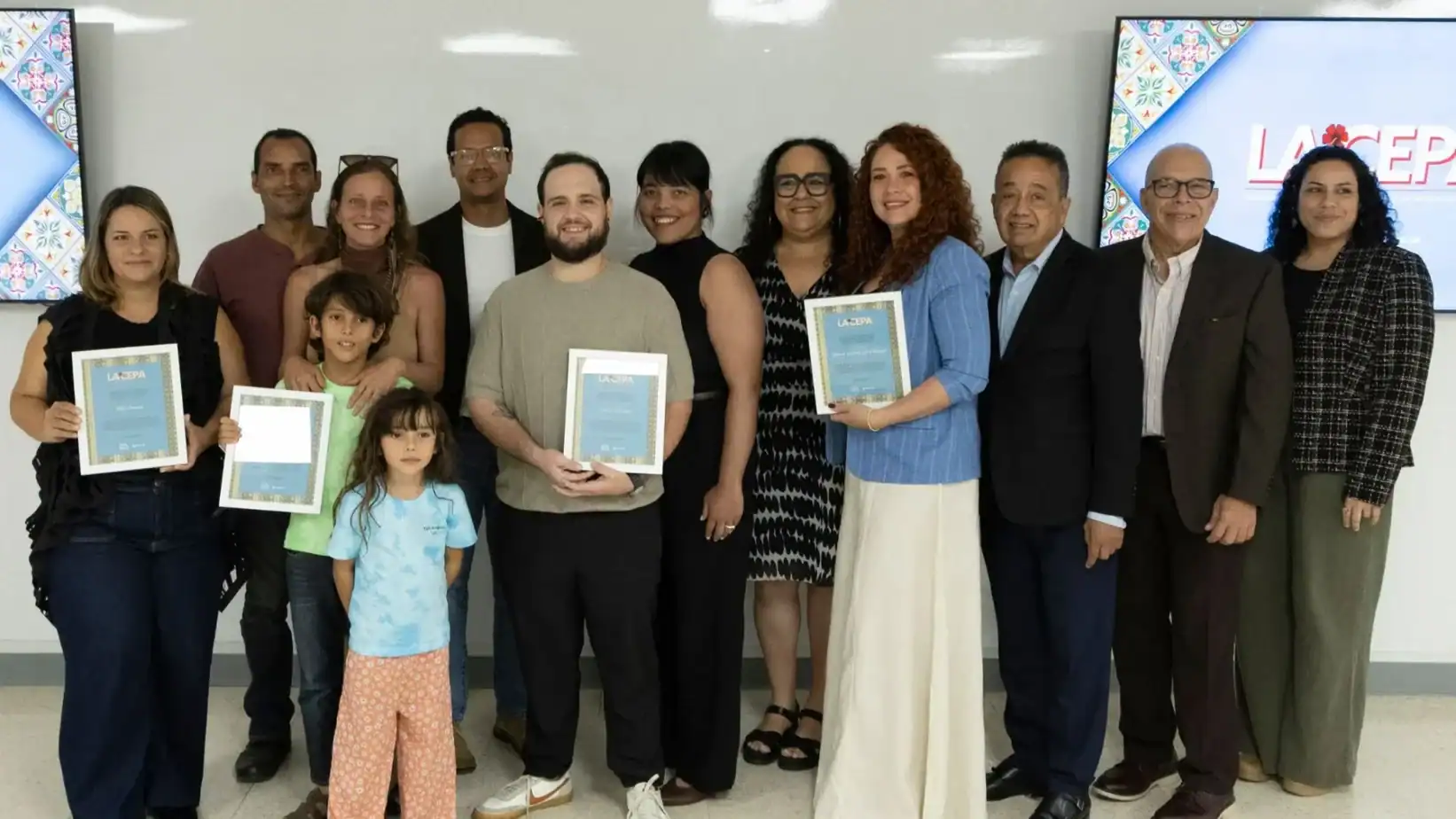
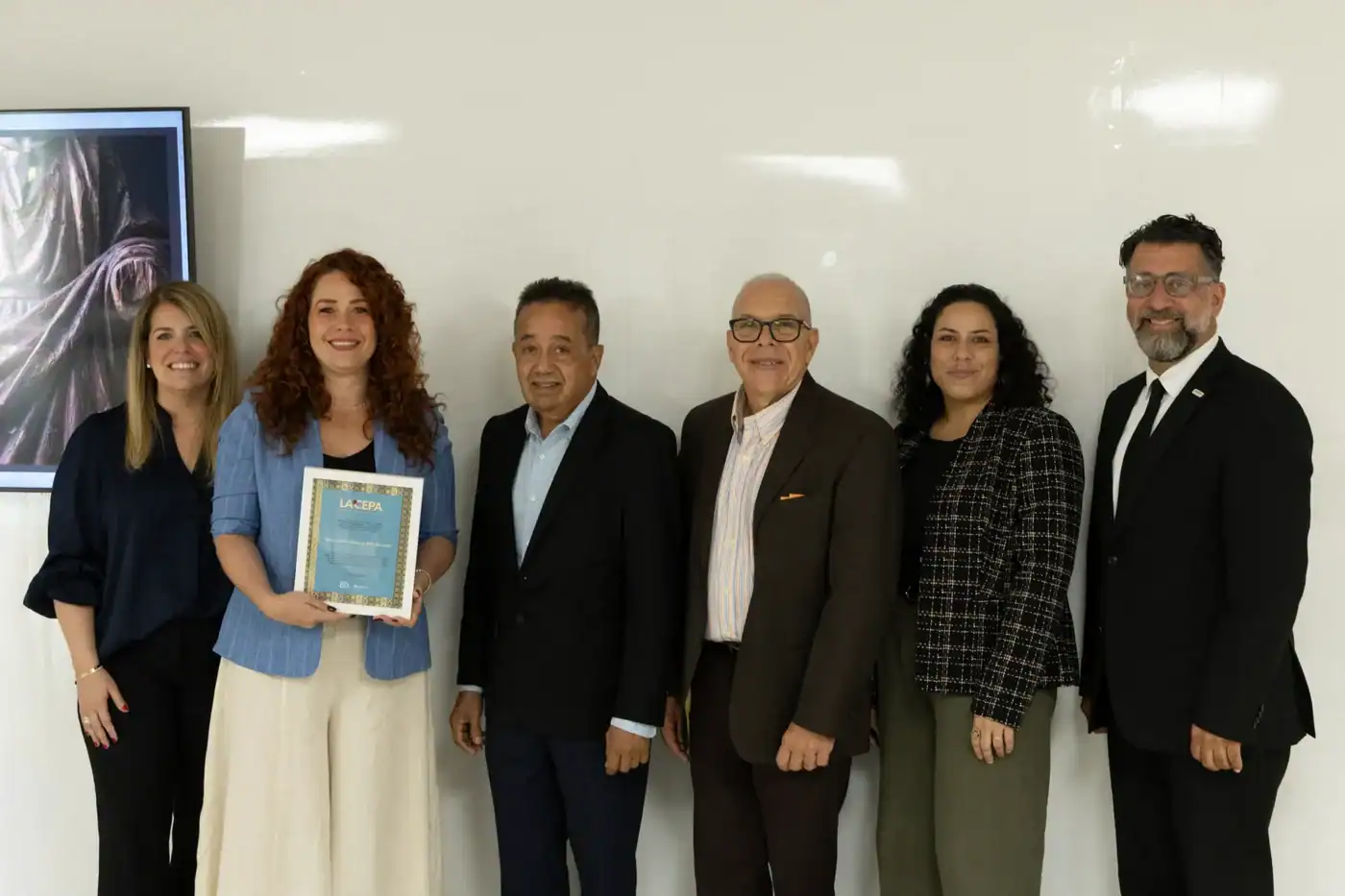
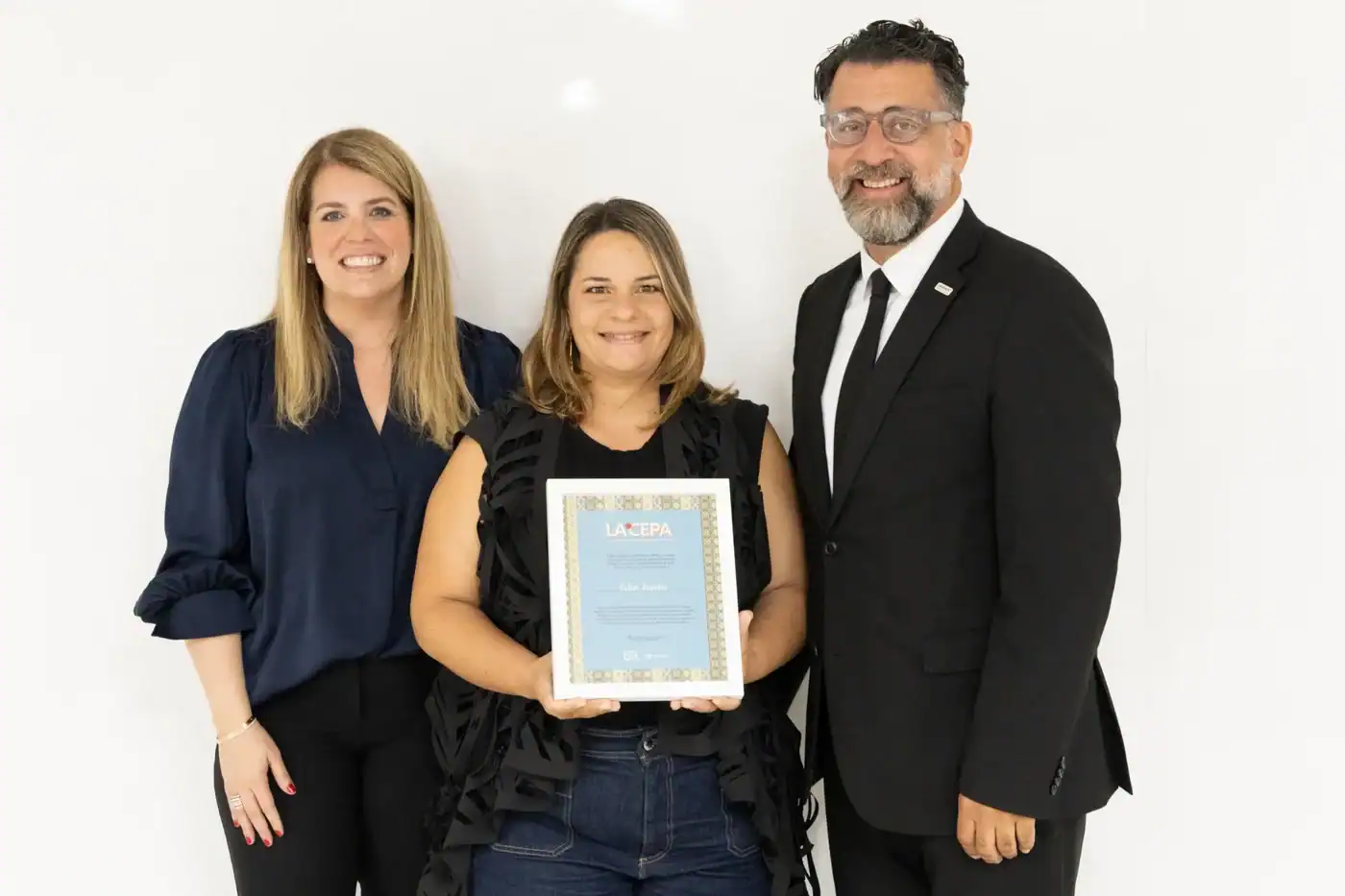
The business growth program La Cepa announced a $10,000 seed capital investment for each of four Puerto Rican companies, totaling $40,000, to support the growth of businesses in the creative industries. The program is a collaboration between Universidad del Sagrado Corazón (Sagrado), managed by its School of Arts, Design, and Creative Industries (EADIC), and Scale Up, a business acceleration program of Banco Popular de Puerto Rico.
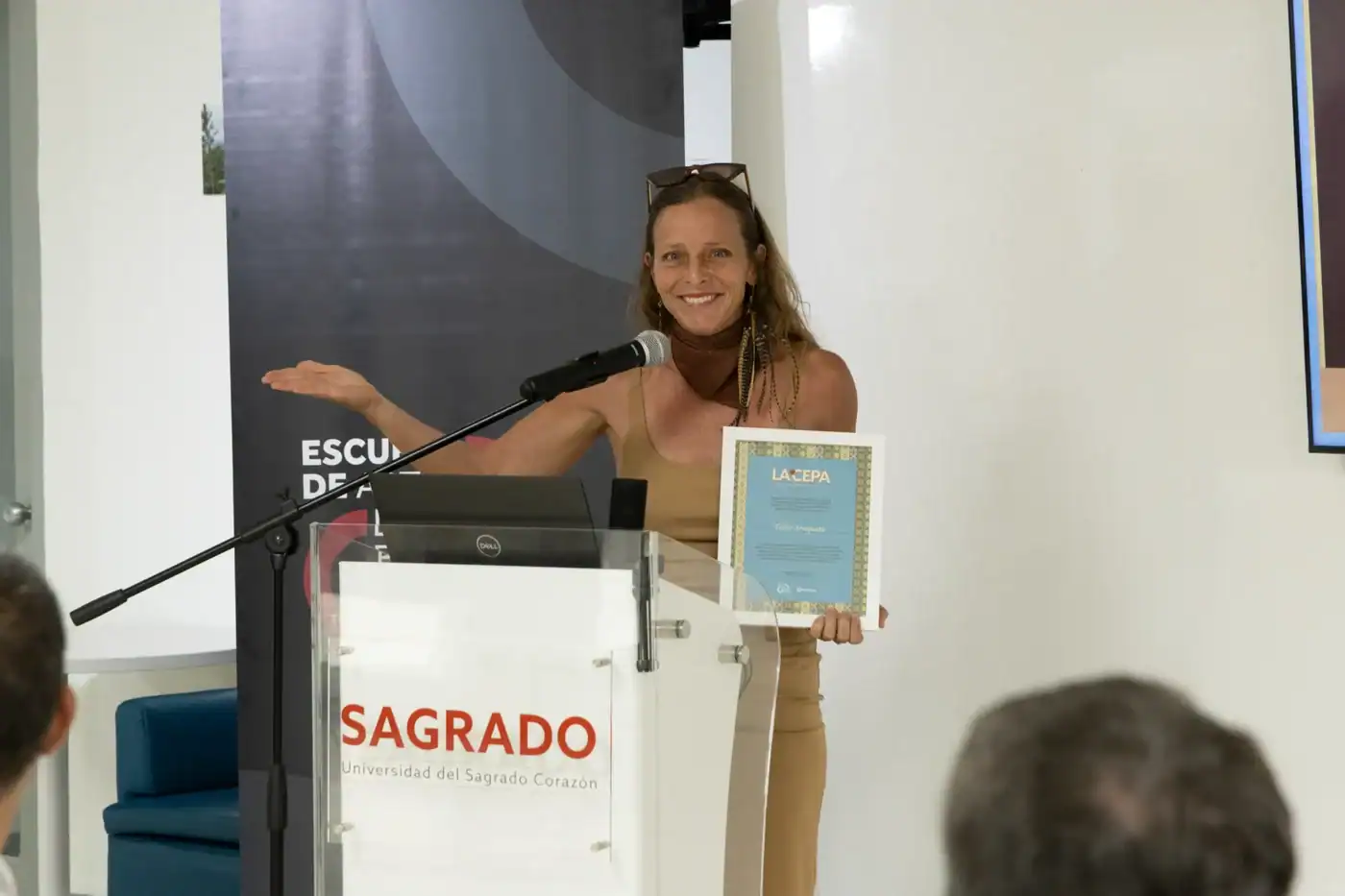
The four winning businesses were Taller Arteguatú, a family-owned woodworking and woodcraft company; Taller Reinita, dedicated to textile technology manufacturing; Kolibrí Collective, a company focused on jewelry design and production; and MUSAN (Museum of Saints and National Art), a museum specializing in Puerto Rican woodcarving that also operates the only nonprofit store in Puerto Rico dedicated to selling carvings and folk art.
The call for applications for the second edition was announced in October 2025. Out of 25 applications received and evaluated, 17 participants were selected to advance to the training phase, which offered educational workshops during January and February 2026 aimed at strengthening participants’ internal business structures. This phase was divided into modules covering five main areas: formalization and compliance, financial management and access to capital, operations and scalability, digital marketing and positioning, and finally, the development of a growth plan.
At the conclusion of the training phase, 15 participants presented their scalability plans before a panel of judges consisting of Architect Javier de Jesús Martínez, Dean of EADIC; Dr. Javier Hernández Acosta, Dean of Graduate Studies at Sagrado; and Gian Ortiz, representative of Banco Popular’s Scale Up program.
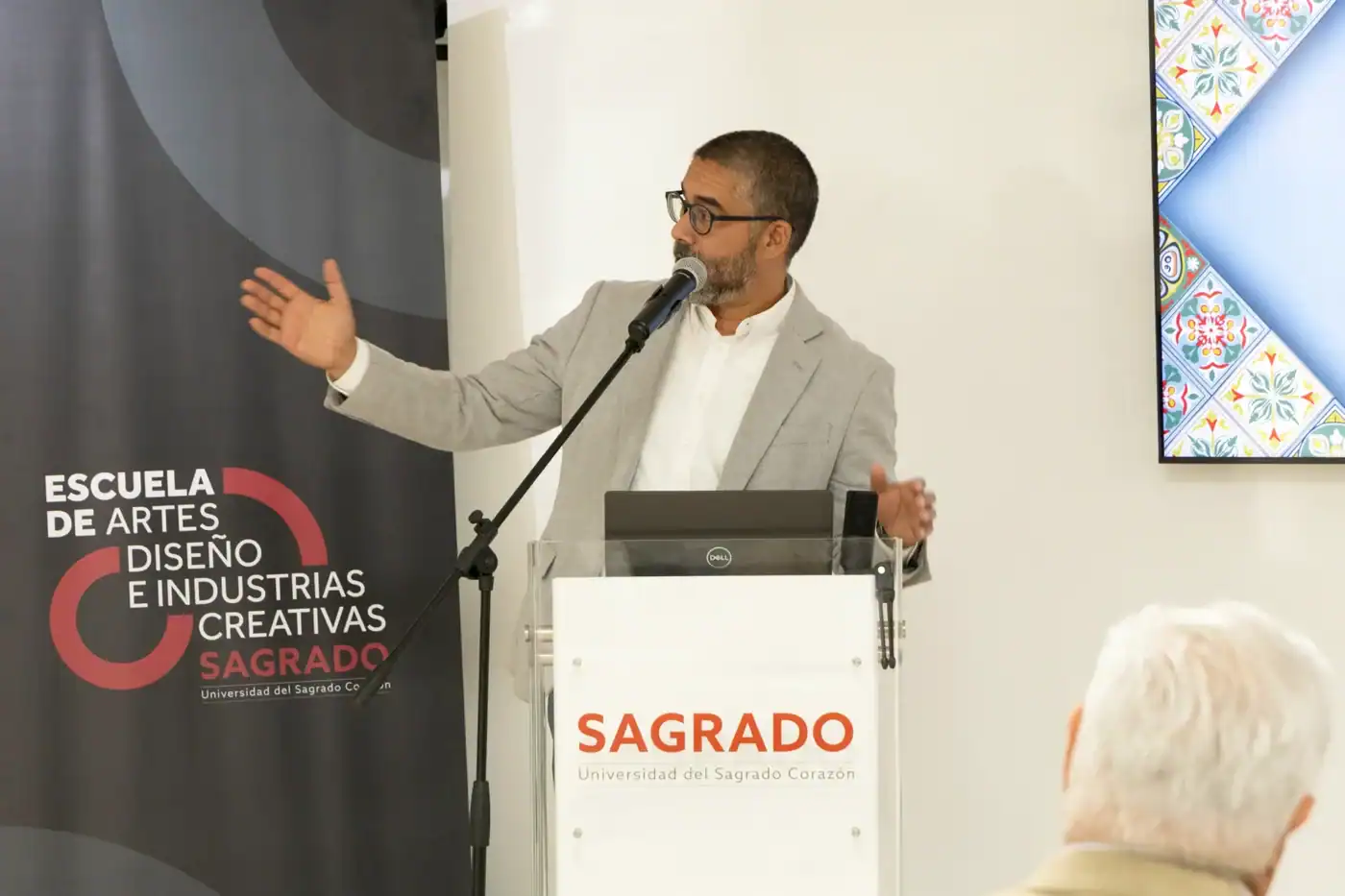
Dean of Graduate Studies
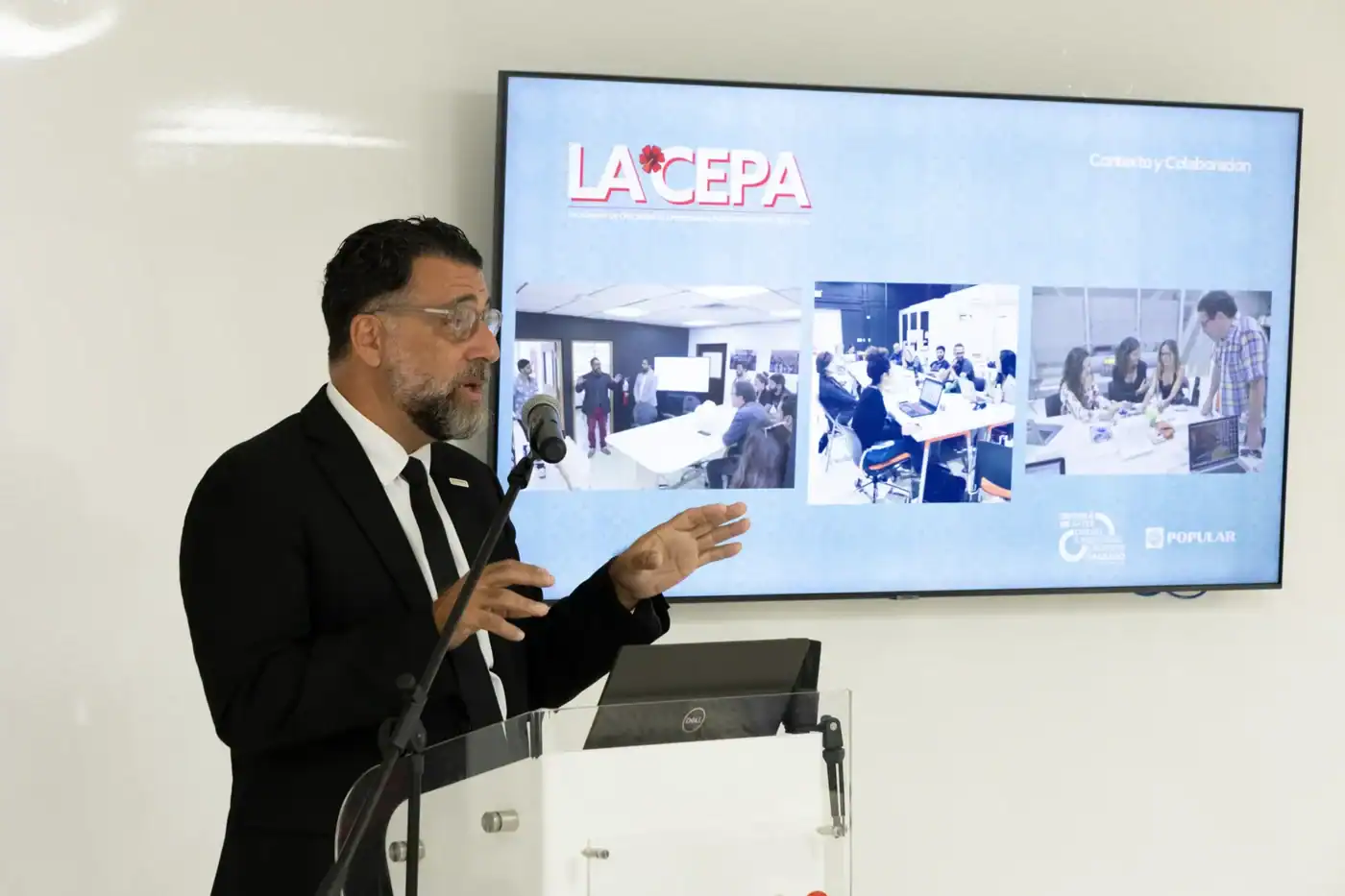
Dean of the School of Arts, Design, and Creative Industries
For his part, Dean De Jesús Martínez emphasized that La Cepa “was born from a university that was aware of the challenges faced by entrepreneurs in Santurce.” The program’s first version, carried out around 2020, provided a safe space to promote the development of Santurce-based businesses from various sectors. Following the program’s redesign in 2025, it adopted a focus on strengthening the sustainability of the creative industries’ business ecosystem while also expanding its call for applications to the entire Puerto Rican archipelago.
Meanwhile, Dr. Hernández Acosta described the initiative as the result of “many years of figuring out what growth in the creative industries looks like, with the sensitivity required by the environments in which these projects operate,” an effort necessary to generate solutions that address the diversity and complexity of the ecosystem.
The winners agreed that the program not only provided training to help grow their businesses, but also validated their ideas as entrepreneurs in the creative industries and confirmed their potential to scale within the sector.
“We believe in our proposal and in the fact that we are different, but what was missing was a program like this—created by creatives, for creatives,” said Edrick Pomales, who is part of Kolibrí Collective alongside Alexandra Sánchez.
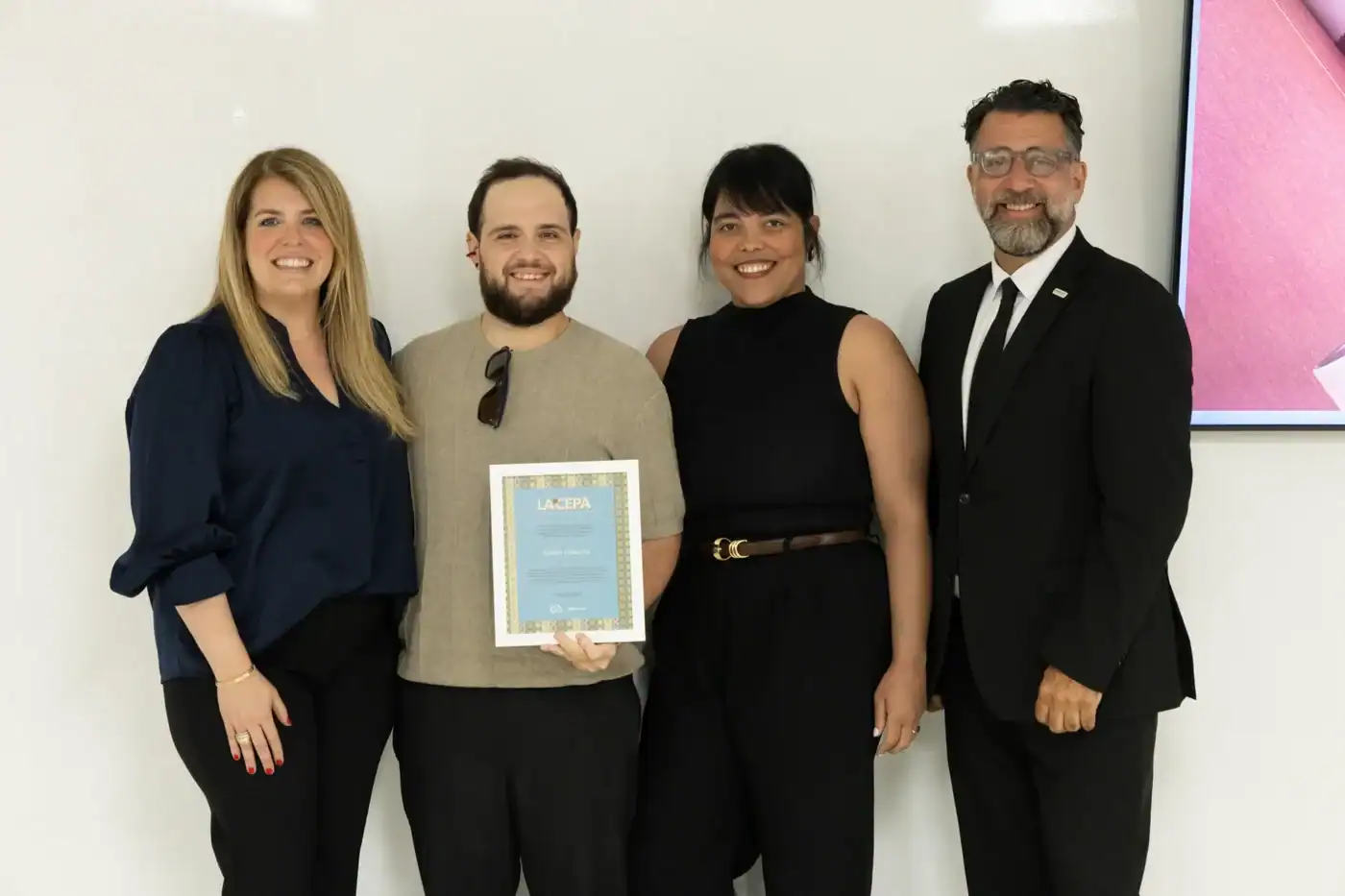
The next phase of the project will run from June through October 2026. During this period, the winners will have the opportunity to implement their proposals while receiving mentorship and support from the specialists involved in the workshops offered during the previous phase.
According to Dean De Jesús Martínez, La Cepa represents a concrete commitment by Sagrado to recognizing the creative industries as a strategic economic sector in Puerto Rico. Through EADIC, in collaboration with Scale Up, the program will continue working to promote diversification within the sector and ensure its long-term sustainability.